A Low Quote Is Not the Biggest Risk
A low price is clear. The costs behind it may not be.
Problems often appear after the purchase order is signed. The brass grade may not match the approved sample. A certificate may not cover the ordered model. The factory may replace the cartridge, aerator or hose without written approval. Finish color may also vary between production batches.
These issues can lead to customs delays, rejected stock, project rework and higher RMA costs.
A safer sourcing process starts with clear technical controls. Define the brass grade. Freeze the drawings and BOM. Approve a Golden Sample. Set the finish, flow rate, pressure test and packaging standards before mass production.
The lowest quote can still be workable when the supplier provides clear evidence. A higher price does not prove better control.
Compare the complete risk behind each offer—not only the EXW price.
Table of Content
Quick Answer: What Are the Main Faucet Sourcing Risks?
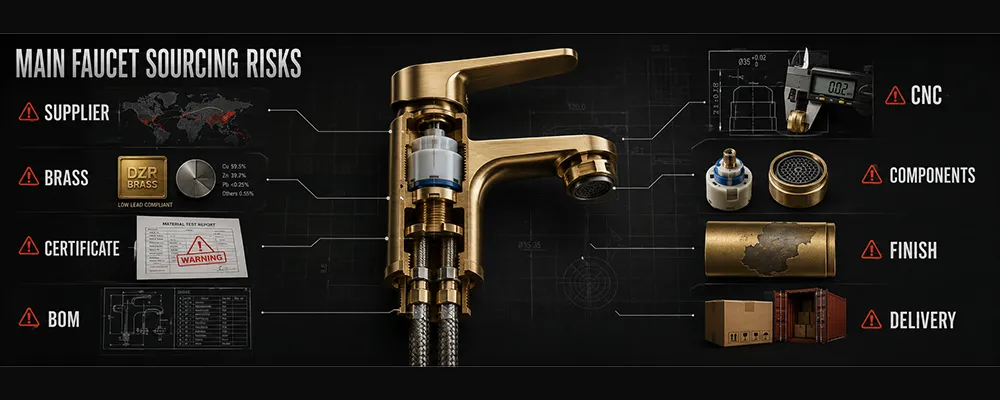
The main risks when sourcing faucets from China are linked to supplier control, materials, compliance and mass production. A low EXW price can become expensive when these points are not checked before the order.
- Unverified supplier: The seller may not control the factory, tooling or production schedule.
- Material substitution: The brass grade or wetted parts may differ from the approved specification.
- Certification mismatch: A certificate may be expired or may not cover the ordered model.
- Sample-to-production drift: Mass-produced faucets may differ from the approved Golden Sample.
- Machining defects: Poor CNC tolerances can affect threads, cartridge seats and sealing surfaces.
- Component changes: Cartridges, aerators or hoses may be replaced without approval.
- Unstable finishes: Color, coating thickness and adhesion may vary between batches.
- Weak delivery control: Late production, damaged packaging or missing parts can delay sales and projects.
Each risk can raise RMA costs, inspection costs and delivery pressure. Clear drawings, a frozen BOM, valid certification records and written test standards can reduce this exposure.
Risk 1 — The “Manufacturer” May Not Control Manufacturing
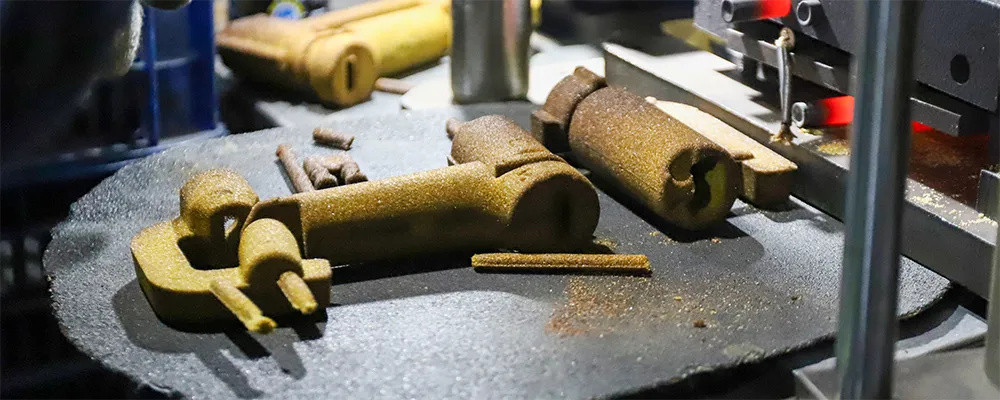
A supplier can display hundreds of faucet models without operating the machines that produce them. Some suppliers work as trading companies. Others manage assembly but outsource casting, CNC machining, polishing and surface treatment.
Outsourcing is not the main problem. The risk begins when no single company controls the drawings, tolerances, BOM and inspection records.
Trading Company, Assembler or Source Factory?
Each supplier type can serve a B2B order. The buyer needs to know which company controls each production step.
A trading company may depend on several factories. This can make engineering changes slower. It may also be harder to trace a defect back to one production batch.
An assembly supplier may control final testing but have limited control over casting or CNC machining. A source factory usually controls more of the production process, but its actual equipment and capacity still need to be checked.
A factory may also send PVD coating, electroplating or powder coating to a licensed environmental processing park. This is common in China. The key question is whether the factory sets the coating standard and completes its own incoming inspection.
Why Manufacturing Control Matters
Weak production control can create several commercial risks:
- Split responsibility: Each subcontractor may blame another process when a defect appears.
- Unstable tolerances: Different CNC workshops may use different fixtures, tools or inspection limits.
- Unapproved changes: Brass, cartridges, aerators or hoses may be replaced without clear notice.
- Batch variation: Finish color, thread depth and waterway size may change between orders.
- Delivery delays: The supplier may not control the schedule of each subcontractor.
These issues can increase incoming inspection work, RMA claims and project delays.
What Buyers Should Verify
Before paying a deposit, request evidence that shows who controls the order:
- Business licence and factory address
- Current production-floor photos or video
- CNC machine and assembly-line records
- A clear in-house and outsourced process map
- Monthly output based on recent production data
- Internal IQC and final inspection records
- Tooling ownership and maintenance records
- Batch traceability procedures
- Written control for material and BOM changes
Do not judge a supplier only by its catalogue or factory photos. Check who approves the drawings, releases the materials, controls the production schedule and signs the final inspection report.
Risk 2 – Brass Composition May Not Match the Quotation
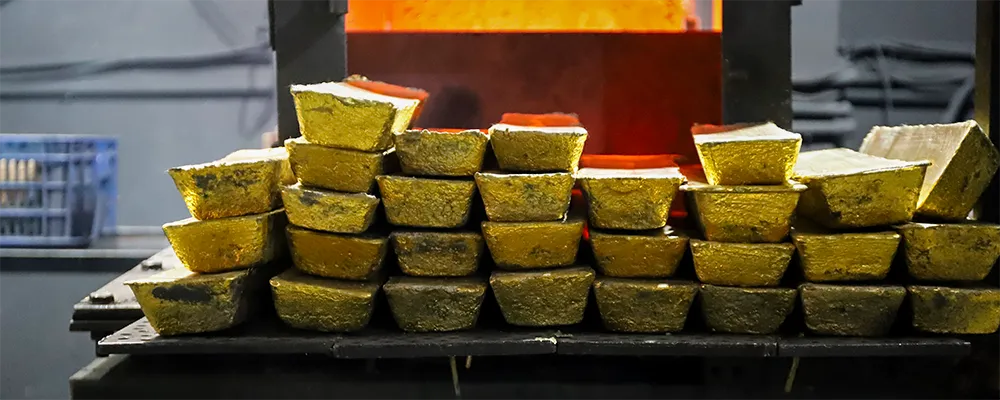
“Brass faucet” is not a complete material specification.
Brass grades have different levels of copper, zinc, lead and other elements. These differences affect corrosion resistance, machining performance and drinking-water compliance. Two faucet bodies may look the same but perform differently after years of contact with water.
The quotation must state the required brass grade. The same requirement should also appear in the drawing, BOM and purchase order.
“Brass Body” Does Not Cover Every Wetted Part
A faucet body may use the approved brass while smaller wetted parts use another material. These parts may include:
- Cartridge housing
- Connector
- Spout tube
- Threaded adaptor
- Valve seat
- Aerator housing
- Internal nut
This creates a gap between the sales description and the complete waterway.
For drinking-water products, buyers should check every wetted component. Testing only the main body may not provide enough evidence for the finished faucet.
Why Brass Substitution Happens
Material substitution is often linked to cost pressure or weak BOM control.
A supplier may quote low-lead brass for the sample and use standard brass for mass production. Brass scrap may also enter the material stream without clear batch control. In other cases, the sales team may use terms such as “low lead” or “DZR” without stating a grade or test method.
The possible results include:
- Failed compliance checks
- Faster dezincification in aggressive water
- Cracks around threads and thin walls
- Leaks after installation
- Rejected stock or delayed market entry
- Higher RMA and replacement costs
Low-Lead Brass and DZR Brass Solve Different Problems
Low-lead brass helps meet lead-content rules for drinking-water products. DZR brass is designed to resist dezincification in certain water conditions.
One term should not be used as proof of the other.
For coastal areas, hard-water regions or markets with strict material rules, the buyer should define both the chemical limits and the required corrosion test. The correct choice depends on the market, water conditions and product certification route.
How Buyers Can Control Brass Composition
Use written evidence before mass production:
- State the exact brass grade in the drawing and BOM
- List every wetted component
- Approve the raw-material supplier
- Request mill certificates and batch records
- Use XRF screening to check material composition
- Request a relevant DZR test when required
- Match the production material to the certified model
- Require written approval before any material change
- Keep material samples from each production batch
XRF testing can help screen the alloy content. It does not replace finished-product certification or a specific dezincification test.
The goal is not to accept a broad material claim. It is to connect the quotation, drawing, BOM, test report and production batch to the same brass specification.
Risk 3 — A Certificate May Not Cover Your Exact Faucet
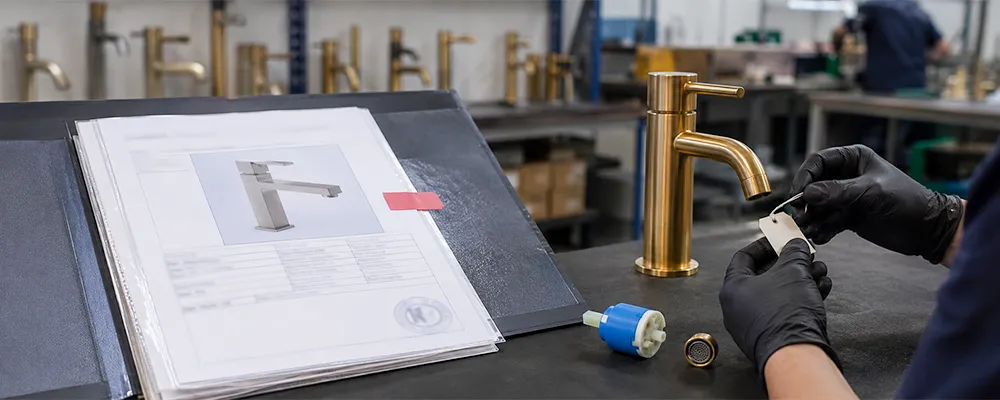
A certificate PDF does not prove that every faucet from the supplier is approved.
The certificate may belong to another company. It may cover a different factory, model or material. It may also have expired. Some certificates apply only to the products listed in the certification database.
Before placing an order, match the certificate to the exact faucet you plan to import.
Why a Certificate Can Be Misleading
A supplier may have a valid certificate but use it for products outside its approved scope.
Common gaps include:
- The quoted model is not listed
- The certificate holder is a different company
- The production address does not match
- The certificate has expired or been suspended
- The approved material differs from the quotation
- Key parts have changed since product testing
- The certification mark is used on an unlisted model
These gaps can lead to distributor rejection, customs questions, extra testing costs or delayed project approval.
Check the Public Listing, Not Only the PDF
Certification bodies often provide an online product directory. Use it to check the current status.
Match these details before approving the supplier:
- Certificate holder
- Manufacturing location
- Exact model number
- Product type
- Applicable standard
- Issue and expiry dates
- Approved material or product variants
- Current listing status
For cUPC products, buyers can check the IAPMO Product Listing Directory. A model that does not appear in the listing may require more review.
Certification Requirements Change by Market
One certificate does not cover every country.
- United States: Check cUPC where required. Potable-water faucets may also need compliance with NSF/ANSI/CAN 61 and NSF/ANSI/CAN 372.
- Canada: Confirm the plumbing code and drinking-water standards required by the province and project.
- United Kingdom: Check whether the exact product and components are covered by WRAS approval.
- France: Potable-water products may require ACS documentation.
- Germany: Some projects or customers may request DVGW approval.
- Australia: Check WaterMark certification and applicable WELS registration.
- European Union: Confirm the rules of the destination country. A CE document should not be treated as general proof that a faucet meets every drinking-water rule.
In the United States, “lead-free” generally means no more than a weighted average of 0.25% lead across wetted surfaces. The requirement applies to the complete product calculation, not only the main brass body. The U.S. EPA provides further guidance.
Component Changes May Affect Certification
A certified faucet is tested with a defined product structure. Changes to the following parts may move the product outside the approved file:
- Brass alloy
- Cartridge
- Aerator
- Flexible hose
- Internal connector
- Sealing material
- Waterway design
This is why the certified structure should match the approved BOM and Golden Sample.
Require written approval before the factory changes a certified component. The new part may need a document review or further testing.
Documents Buyers Should Request Before the Order
Ask the supplier for:
- Current certificate
- Public listing link
- Model list covered by the certificate
- Related test report
- Approved BOM
- Production address
- Packaging mark approval
- Written confirmation of any product changes
Do not approve a faucet based on a logo shown in a catalogue. Match the company, factory, model, material and standard.
The question is not simply, “Does the supplier have cUPC, WRAS or WaterMark?”
The better question is:
Does the current certification file cover this exact faucet, made at this factory, with this material and BOM?
Risk 4 — The Approved Sample May Not Represent Mass Production
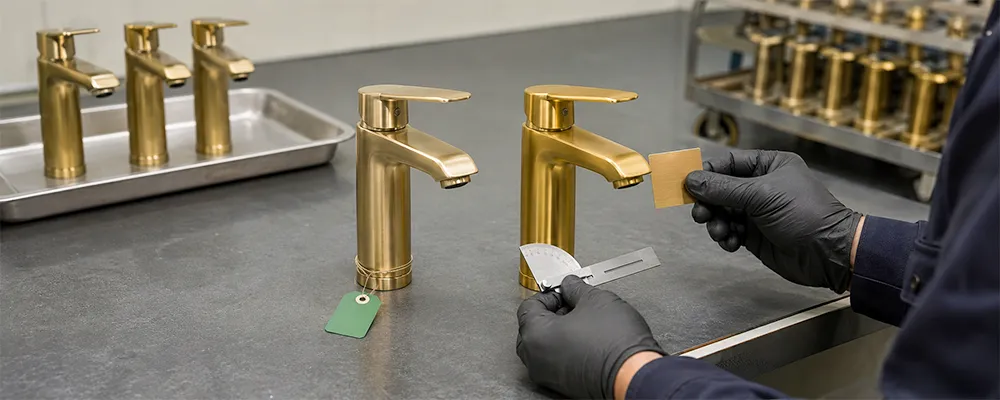
An approved sample can show the correct design, finish and function. It does not confirm that every production unit will follow the same standard.
Samples are often made in small numbers. The factory may select better castings, use experienced workers or adjust each part by hand. Mass production uses larger material batches, several CNC machines and more assembly staff. Small changes can then appear.
This gap is known as sample-to-production drift.
Why Mass Production Can Differ from the Sample
Common causes include:
- The sample was made with selected parts
- The production BOM was not frozen
- A cartridge, aerator or hose was replaced
- Several CNC machines used different settings
- Finish batches used different process conditions
- Assembly teams followed different instructions
- The supplier changed a part to meet cost or delivery targets
- The buyer approved the appearance but not the technical details
The faucet may still look similar. Its flow rate, sealing performance, handle movement or finish life may be different.
What Should Be Locked Before Production?
A physical sample alone is not enough. It should be linked to controlled documents.
Buyers should approve:
- Technical drawing: Dimensions, threads and tight-tolerance assembly points
- Material specification: Brass grade for the body and wetted parts
- Approved BOM: Cartridge, aerator, hose, seals and mounting hardware
- Finish standard: Color, texture, coating method and approved color panel
- Flow requirement: GPM or L/min at a defined inlet pressure
- Test method: Pressure, sealing, cartridge and finish tests
- Packaging standard: Inner protection, parts list and carton structure
These records create one production reference. They also make inspection disputes easier to resolve.
Use a Golden Sample as the Production Reference
The buyer and factory should sign and date a Golden Sample. The sample should include the final finish, logo, internal parts and packaging.
A clear Golden Sample record should show:
- Product model
- Revision number
- Approval date
- Finish code
- Cartridge and aerator model
- Approved drawing number
- Buyer and factory approval
The factory should keep one sample. The buyer or inspection company should keep another when practical.
A photo is useful for general reference. It may not show color, coating texture, thread depth or internal parts with enough accuracy.
Check the First Production Units Before Full Assembly
A First Article Inspection can find differences before the complete batch is assembled.
The inspection should compare the first production units with the Golden Sample and approved documents. Key checks may include:
- Critical dimensions and thread fit
- Brass composition
- Cartridge-seat alignment
- Handle movement
- Pressure and sealing performance
- Hydrodynamic flow performance
- Finish color and surface condition
- Logo position
- Packaging layout
If a critical point does not match, the factory can stop and correct the process before more units are affected.
Control Every Change in Writing
Some production changes may be reasonable. A component supplier may face a delay, or a material may become unavailable. The risk comes from making the change without technical review.
Require a written change request that states:
- What will change
- Why the change is needed
- Which models and orders are affected
- Whether certification may be affected
- What testing has been completed
- When the new part will enter production
No material or component change should enter the order before buyer approval.
A Golden Sample, frozen BOM and First Article Inspection cannot remove every production risk. They can reduce batch variation and give both sides a clear standard for quality control.
Risk 5 — Hidden Casting and CNC Defects Can Cause Field Failures
A faucet body may look correct during visual inspection. Internal defects can remain under the finished surface.
These defects may come from brass casting or CNC machining. Some problems appear during assembly. Others appear after pressure changes, temperature cycles or months of use.
The result may be a slow leak, poor cartridge sealing or a damaged thread at the project site.
Common Brass Casting Defects
Casting quality affects the strength and waterway structure of the faucet body.
Common defects include:
- Porosity: Small air pockets remain inside the brass.
- Shrinkage cavities: Voids form as the casting cools.
- Thin walls: Some areas do not meet the required wall thickness.
- Inclusions: Foreign material becomes trapped in the casting.
- Cold shuts: Two flows of molten brass do not bond correctly.
- Uneven waterways: Internal passages differ from the drawing.
Polishing and plating may cover the outside signs. A short visual check may not find the internal problem.
Common CNC Machining Defects
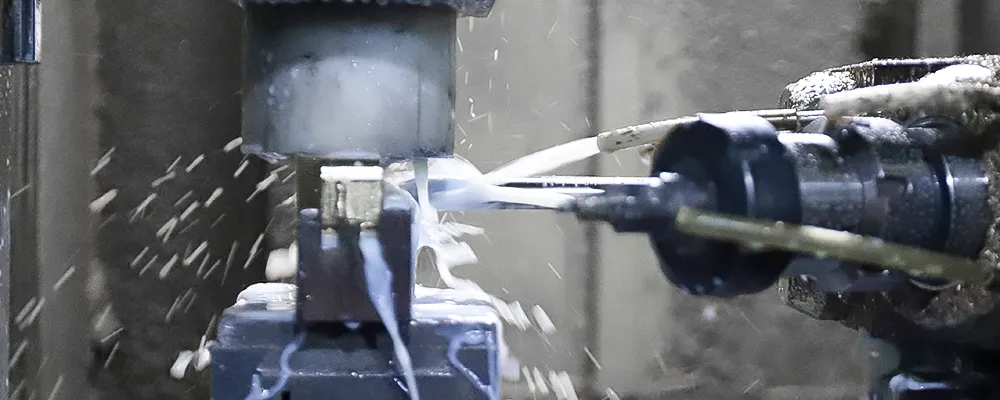
CNC machining creates the threads, cartridge seat, sealing faces and connection points. Small errors in these areas can affect the complete faucet.
Buyers should watch for:
- Incorrect thread depth
- Off-centre waterways
- Rough sealing surfaces
- Incorrect cartridge-seat depth
- Misaligned mounting holes
- Burrs inside the waterway
- Tool marks on sealing points
- Dimensions outside the approved tolerance
A cartridge may fit into the body but still sit at the wrong depth. A hose may connect to a thread but fail to seal under pressure.
Why These Defects Increase Field Costs
Casting and CNC defects can create costs beyond the product value.
- Slow leaks increase RMA claims
- Poor thread fit adds plumber labour
- Blocked waterways reduce flow
- Burrs may damage cartridges and seals
- Cracks can require product replacement
- Project failures may delay handover
- Repeated defects can affect distributor confidence
Replacing one installed faucet often costs more than replacing one unit in a warehouse. Labour, travel and site access become part of the claim.
Why a Basic Leak Test May Not Be Enough
A quick test at one pressure point may not show every defect. Small pores or cracks may react differently after pressure and temperature changes.
The test plan should define:
- Test pressure
- Test time
- Water or air test method
- Hot and cold conditions
- Allowed pressure drop
- Inspection frequency
- Pass and fail limits
The factory should record the test by model and production batch.
How Buyers Can Control Casting and CNC Quality
Use process controls before final inspection:
- Approve critical dimensions on the drawing
- Inspect the first machined body
- Use calibrated thread and go/no-go gauges
- Track CNC tool wear
- Check cartridge-seat depth and alignment
- Remove burrs from internal waterways
- Inspect sealing surfaces before assembly
- Run pressure and sealing tests
- Check flow at a defined inlet pressure
- Keep batch inspection records
For high-risk models, buyers may also request section checks, wall-thickness checks or other non-destructive tests.
Final inspection cannot correct a weak casting process. The safer approach is to control the casting, CNC machining and assembly stages as one production system.
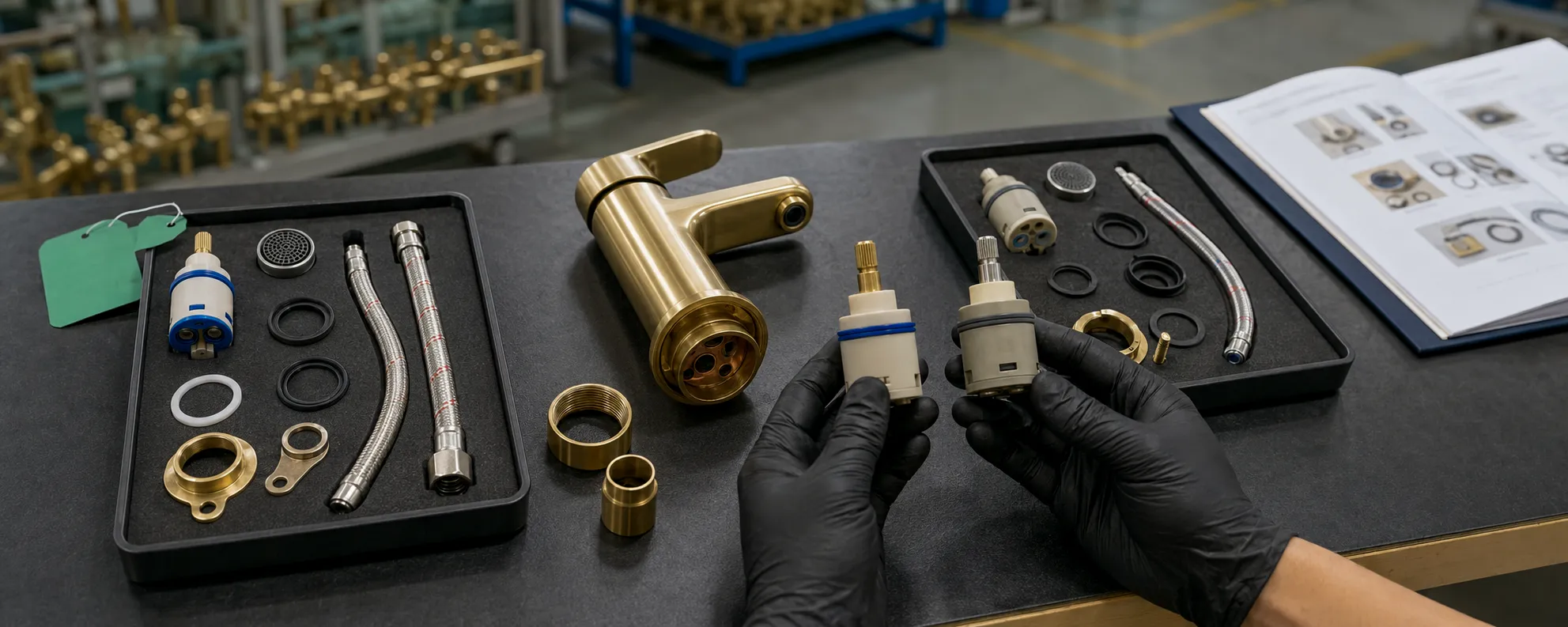
Risk 6 — Internal Components May Be Substituted Without Notice
The faucet body receives most of the attention. Many field complaints start with the smaller parts inside it.
A cartridge, aerator, hose or seal may be changed after the sample is approved. The replacement part may look similar and cost less. Its dimensions, materials or test results may be different.
This change can affect flow, sealing, handle movement and product certification.
Small Components Carry Large Warranty Risks
Each internal part controls a different part of faucet performance.
- Cartridge: Controls water flow, temperature and shut-off.
- Aerator: Controls flow rate, water shape and splash.
- Flexible hose: Carries water under pressure.
- O-rings: Seal joints inside the faucet.
- Check valve: Helps prevent reverse flow.
- Diverter: Directs water between outlets.
- Mounting hardware: Keeps the faucet stable on the deck.
A lower-cost component may pass a short factory test. Its performance may change after repeated use, hot-water exposure or pressure cycles.
Why Component Substitution Happens
A factory may change a part because of:
- Cost pressure
- Supplier delays
- Material shortages
- Long component lead times
- Minimum order requirements
- A missing part number in the BOM
- Poor control between purchasing and assembly
Some substitutions may be workable. The risk comes when the new part enters production without engineering review, testing or buyer approval.
How Substitution Affects Faucet Performance
Cartridge Changes
A different cartridge may change:
- Handle torque
- Shut-off accuracy
- Temperature control
- Installation depth
- Cycle life
- Sealing performance
Even a small change in cartridge height can affect the handle position and valve-seat pressure.
Aerator Changes
A different aerator may affect:
- GPM or L/min
- Laminar flow
- Splash control
- Noise
- Water pressure at the outlet
- Local water-efficiency requirements
An aerator should be selected as part of the hydrodynamic system. It should not be treated as a decorative outlet part.
Hose and Seal Changes
A hose or seal made from a different material may react differently to heat, pressure and water chemistry.
A new hose may also change the internal flow rate. A different O-ring size may create high assembly force or weak compression.
Freeze the Approved BOM Before Production
The BOM should state more than the general component name.
For each critical part, record:
- Manufacturer
- Model number
- Material
- Dimensions
- Flow rating
- Pressure rating
- Test standard
- Certification status
- Approved alternative, if available
For example, “ceramic cartridge” is not a controlled specification. The BOM should state the approved Sedal, Kerox, Vernet or other agreed model.
The same rule applies to a Neoperl aerator. Its model, flow rate and pressure conditions should be listed.
Require a Written Change-Control Process
If the approved part is not available, the supplier should submit a change request before production.
The request should show:
- The part being replaced
- The reason for the change
- The proposed replacement
- A technical comparison
- Test results
- Possible certification impact
- Affected models and orders
- Planned change date
The buyer can then approve, reject or request more testing.
Verify Components During Production
Component control should continue after the BOM is approved.
Useful checks include:
- Incoming component inspection
- Supplier label and part-number checks
- Cartridge cycle testing
- Aerator flow testing
- Hose pressure testing
- Seal material verification
- Production-line spot checks
- Batch traceability records
- Pre-shipment product teardown
A frozen BOM does not prevent every supply change. It gives the buyer and factory a clear reference. Written change control can reduce hidden substitutions, performance drift and later warranty disputes.

Risk 7 — Surface Finishes May Fail After Installation
A finish sample may look correct when it leaves the factory. Its condition can change after contact with water, cleaning chemicals and daily use.
The finish name alone does not define its quality. “Matte black,” “brushed gold” or “chrome” only describes the appearance. It does not state the coating process, layer thickness, adhesion level or test method.
These details should be fixed before production.
Common Finish Failures
Surface problems may appear during transport, installation or use.
Common failures include:
- Peeling: The coating separates from the base layer.
- Blistering: Small raised areas form under the finish.
- Discoloration: The color changes after contact with water or chemicals.
- Pitting: Small corrosion points appear on the surface.
- Edge corrosion: Damage starts around threads, corners or openings.
- Wear marks: High-contact areas lose color.
- Water spotting: Mineral deposits leave visible marks.
- Batch variation: Products from different orders do not match.
For wholesalers and project contractors, color variation can create a serious problem. Faucets installed in the same room may look different under the same light.
Why Faucet Finishes Fail
Finish performance depends on the complete coating system. It starts with the brass surface.
Possible causes include:
- Poor polishing before coating
- Oil or polishing compound left on the surface
- Weak cleaning and activation
- Uneven electroplating thickness
- Incorrect PVD vacuum chamber settings
- Weak powder-coating cure control
- Poor adhesion between coating layers
- Sharp edges with limited coating coverage
- Contact between products during packing
- Use of aggressive cleaning chemicals
A PVD finish may provide good wear and color performance. Its result still depends on the base surface, cleaning process, vacuum settings and coating layers.
PVD should be treated as a controlled process, not as a quality claim by itself.
Outsourced Finishing Is Not the Main Risk
Many faucet factories use licensed environmental processing parks for electroplating, PVD vacuum deposition or powder coating.
The key issue is process control.
The faucet manufacturer should define:
- Approved finishing supplier
- Polishing standard
- Pre-treatment process
- Coating structure
- Color target
- Inspection method
- Batch acceptance limits
The factory should also complete incoming quality control when the finished parts return. This helps find color variation, surface damage and weak adhesion before assembly.
Tests Buyers Should Define
A test name without test conditions is not enough. The purchase specification should state the method, duration and pass criteria.
Useful finish checks include:
- Cross-hatch adhesion test: Checks how well the coating bonds to the base.
- Salt-spray test: Screens corrosion resistance under set test conditions.
- Falling-sand or abrasion test: Checks resistance to surface wear.
- Coating-thickness test: Measures the applied metal or coating layers.
- Chemical resistance test: Checks contact with approved cleaning agents.
- Color measurement: Compares the production batch with the approved target.
- Visual inspection: Checks scratches, pits, polishing lines and exposed edges.
A 24-hour salt-spray test may be used as an internal screening step. Longer test periods may be required by the buyer, market or project specification.
Salt-spray results should not be used as a direct promise of service life. The test is mainly a controlled way to compare process stability.
Control Color Between Production Batches
Photos and visual descriptions are not precise enough for repeat orders.
Use an approved Color Master Sample for each finish. Record:
- Finish name and code
- Base material
- Coating method
- Gloss level
- Approved color range
- Maximum agreed ΔE
- Surface texture
- Brushing direction
- Approval date and revision
The buyer and factory should keep matching reference samples. New batches can then be checked under controlled lighting.
This is important for phased projects. Faucets, shower systems and bathroom accessories may be ordered at different times but installed in the same space.
Packaging and Cleaning Also Affect the Finish
A stable coating can still be damaged after production.
Each part should be separated inside the box. Metal surfaces should not rub against hoses, tools or mounting hardware. Protective bags should be suitable for the finish and transport conditions.
Care instructions should also list unsuitable cleaners. Strong acids, alkalis, bleach and abrasive pads may affect some finishes.
Clear cleaning limits help distributors, project contractors and facility managers reduce avoidable surface claims.
How Buyers Can Reduce Finish Risk
Before approving mass production:
- Define the full coating system
- Approve a physical Color Master Sample
- Set an agreed ΔE limit
- State the required finish tests
- Define test duration and pass criteria
- Inspect returned parts after outsourced finishing
- Compare the first production batch with the approved sample
- Check packaging before shipment
- Keep finish records by production batch
A finish should be purchased as a measurable engineering specification. The color name is only the starting point.
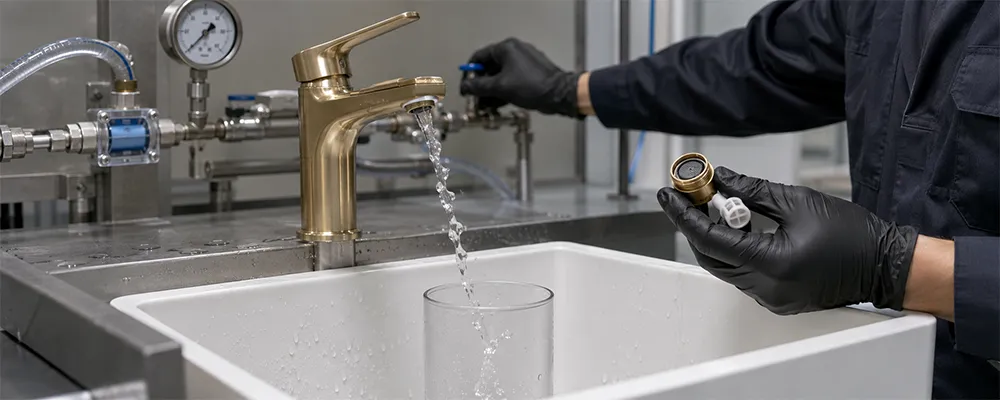
Risk 8 — Incorrect Hydraulic Engineering Can Increase Complaints
A faucet can pass a basic leak test and still provide poor water flow.
Flow performance depends on the full waterway. The cartridge, hoses, connectors, check valves and aerator all add resistance. A small restriction in one part can affect the complete faucet.
This may lead to low flow, splashing, noise or unstable temperature after installation.
The Aerator Rating Does Not Tell the Full Story
An aerator may be marked with a target GPM or L/min. This rating does not describe how the complete faucet will perform under every site condition.
The final flow also depends on:
- Inlet pressure
- Internal waterway diameter
- Cartridge port size
- Hose length and bore
- Connector shape
- Check-valve resistance
- Spout height and reach
- Aerator structure
The same aerator may produce different results on two faucet bodies. The complete product needs hydrodynamic testing.
Common Hydraulic Problems
Poor waterway design may cause:
- Low flow at normal working pressure
- A sharp or uneven water stream
- Splash outside the basin
- Noise inside the faucet body
- Flow loss when hot and cold water are mixed
- Slow filling from a tub faucet
- Temperature changes during handle movement
- Different flow rates between production batches
These problems may not appear during a visual inspection. They often become clear only after the faucet is connected to a working water system.
A Cheap Restrictor Can Create More Problems
Adding a small plastic restrictor is a common way to reduce the measured flow rate. It may also create a narrow pressure point inside the waterway.
Possible results include:
- Weak outlet pressure
- Whistling noise
- Uneven water shape
- Faster blockage from debris
- Poor performance in low-pressure buildings
- Higher user complaint rates
A better approach is to balance the cartridge, waterway and aerator as one system. A suitable Neoperl aerator can support a stable laminar flow, but it still needs to match the faucet design and target pressure range.
Static Pressure and Dynamic Pressure Are Different
Static pressure is measured when no water is flowing. Dynamic pressure is measured while the faucet is operating.
A faucet may show acceptable results at high static pressure but perform poorly when the building has lower dynamic pressure. This can happen in hotels, apartment blocks and older plumbing systems.
Buyers should request flow tests at several pressure points. The range should match the target market and project conditions.
How to Test Faucet Flow Before Production
The test plan should define:
- Inlet pressure range
- Hot, cold and mixed-water conditions
- Target GPM or L/min
- Flow tolerance
- Water temperature
- Aerator model
- Hose and connector configuration
- Test time
- Measurement method
Useful checks include:
- Flow-versus-pressure testing
- Laminar flow inspection
- Splash testing with the intended basin
- Noise checks
- Temperature-control checks
- Flow testing before and after cycle tests
- Comparison between samples and production units
Testing one sample at one pressure point gives limited information. A flow curve across several pressure levels gives buyers a clearer view of product performance.
Match the Faucet to the Target Market
Water pressure and flow rules vary by country, city and project type.
Before engineering the faucet, confirm:
- Destination market
- Local flow limit
- Typical working pressure
- Residential or commercial use
- Basin size and shape
- Required certification
- Facility maintenance conditions
A model designed for a high-pressure market may feel weak in a low-pressure building. A high-flow model may also create compliance or water-efficiency concerns in another market.
The faucet should be set for the intended use before the Golden Sample is approved.
Why Hydraulic Control Matters to B2B Buyers
Poor flow is often treated as a product defect, even when the faucet does not leak.
For wholesalers and OEM brands, this can increase:
- RMA requests
- Customer support time
- Installer call-backs
- Negative product reviews
- Project adjustment costs
- Replacement aerator orders
Hydraulic performance should be part of the approved engineering specification. It should not be left until final inspection.
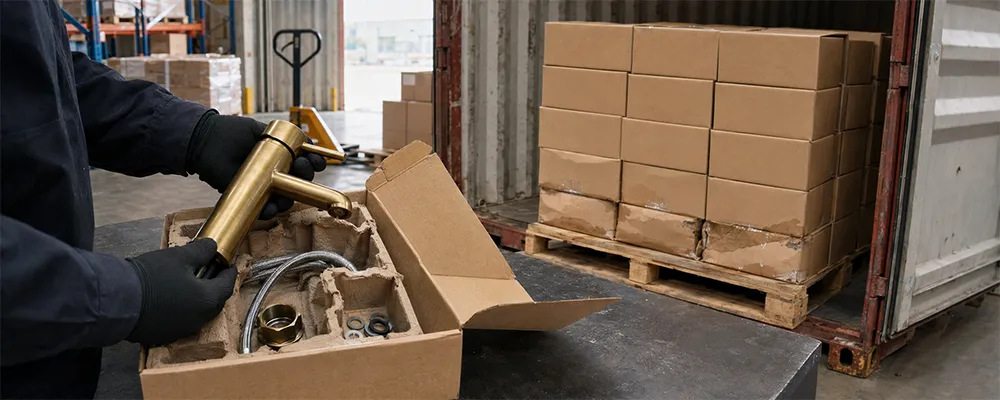
Risk 9 — Packaging and Delivery Failures Can Erase Unit-Cost Savings
A low unit price has limited value if products arrive late, scratched or incomplete.
Packaging and delivery are part of the product specification. They affect the number of sellable units that reach the warehouse. They also affect labour, freight and project costs.
Buyers should compare the usable landed cost, not only the EXW price.
Common Faucet Packaging Failures
A faucet box contains several metal parts. Poor separation can allow them to move and touch during transport.
Common problems include:
- The faucet rubs against the hose or mounting parts
- The spout moves inside the box
- Metal accessories scratch the finished surface
- The protective bag reacts with the coating
- The inner tray breaks under pressure
- The master carton becomes soft in humid conditions
- Boxes collapse during stacking
- Moisture causes spotting or corrosion
- Small parts fall out through gaps in the packaging
Damage may not be visible from the master carton. Warehouse staff may find it only after opening each product box.
Surface Finishes Need Different Protection
Chrome, brushed gold, matte black and PVD finishes may react differently to packaging materials.
The factory should check:
- Bag material
- Protective film
- Foam density
- Contact points
- Moisture protection
- Movement inside the box
- Carton pressure during stacking
A soft bag may protect one finish but leave marks on another. Foam can also press against handles or spouts during long storage.
Packaging should be tested with the final production finish. A plain brass or chrome sample may not represent every color.
Missing Parts Create Expensive Site Problems
A faucet cannot be installed if a small connector, washer or fixing nut is missing.
Common packing errors include:
- Wrong hose type
- Missing mounting kit
- Incorrect aerator
- Mixed hot and cold hoses
- Missing rubber seals
- Wrong instruction sheet
- Incorrect barcode
- Mixed finish labels
- Different models packed in the same carton
The value of the missing part may be low. The cost of finding, shipping and installing it can be much higher.
Use a model-specific packing checklist. Add part codes or clear images for each component. Weight checks can also help find incomplete boxes.
Why Delivery Dates Slip
The quoted lead time may begin after the deposit, drawing approval, packaging approval or material confirmation. If the start point is not clear, both sides may use different dates.
Other causes of delay include:
- Late cartridge or aerator supply
- Tooling changes
- Finish rework
- Outsourced coating schedules
- Slow packaging approval
- Failed inspection
- Last-minute component changes
- Shipping-space limits
- Customs document errors
A production date is not the same as a shipment date. Inspection, rework, booking and container loading also need time.
Build a Delivery Plan Around Milestones
A clear schedule should include:
- Deposit received
- Drawing and BOM approved
- Golden Sample approved
- Materials released
- Casting and CNC machining completed
- Surface finishing completed
- Assembly started
- Testing completed
- Packaging completed
- Pre-shipment inspection
- Container booking
- Planned shipment date
Each milestone should have an owner and target date. Weekly progress reports can help buyers find delays before the planned shipping week.
Test the Complete Packaging System
Packaging approval should cover the product box, master carton and pallet system.
Useful checks include:
- Product movement test
- Drop test
- Carton compression test
- Stacking test
- Moisture review
- Barcode scan
- Packing-list check
- Pallet and carton marking review
- Trial packing with the complete product
The test method and drop height should match the buyer’s shipping route and handling conditions.
For pallet shipments, confirm the pallet size, weight limit and export requirements before production. This can reduce warehouse and customs problems.
What to Check Before Container Loading
Pre-shipment inspection should cover more than product appearance.
Check:
- Finished quantity
- Model and finish mix
- Carton labels
- Barcode accuracy
- Packaging condition
- Component completeness
- Inspection status
- Container condition
- Loading order
- Carton count after loading
Photos should show the empty container, loading process, container number and final seal number.
The Lowest Price May Create the Highest Recovery Cost
Packaging and delivery failures can add:
- Warehouse sorting labour
- Product rework
- Replacement shipments
- Emergency air freight
- Stockout losses
- Project delay costs
- RMA claims
- Distributor chargebacks
A small saving at the unit level can disappear when part of the shipment cannot be sold or installed.
Packaging standards, production milestones and loading records help protect the buyer’s landed cost. They should be agreed before mass production begins.
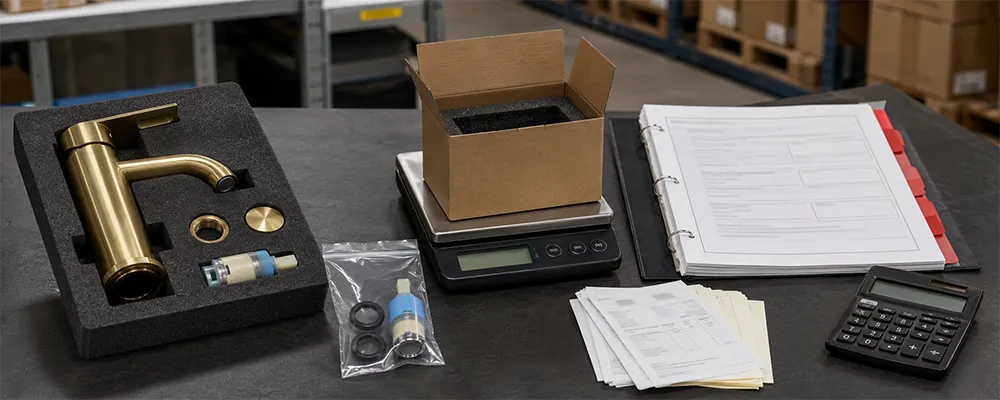
Risk 10 — Weak Contracts and After-Sales Systems Shift the Cost to the Buyer
A quotation confirms price. It may not define the product well enough.
Terms such as “high-quality brass,” “standard cartridge” or “five-year warranty” leave room for different meanings. If the drawing, BOM and inspection rules are not part of the order, it can be hard to prove that a shipment does not meet the agreed standard.
The buyer may then carry the cost of sorting, rework, replacement parts and customer claims.
A Quotation Is Not a Quality Agreement
The purchase order should connect the commercial terms to the technical files.
The order package should include:
- Approved product drawing
- Exact brass specification
- Approved BOM
- Golden Sample reference
- Finish code and Color Master Sample
- Flow-rate requirement
- Pressure and sealing test methods
- Packaging specification
- Certification requirement
- Inspection and acceptance rules
- Delivery schedule
- Written change-control process
Each document should have a date or revision number. This helps both sides identify which version applies to the order.
Define What Counts as a Defect
“Good quality” is difficult to inspect. A defect list gives the factory and inspection team a clear standard.
Defects can be grouped as:
- Critical: A possible safety or compliance issue
- Major: A problem that affects function, installation or sale
- Minor: A limited appearance issue that may not affect use
The agreement should also define:
- Inspection sample size
- Acceptance limits
- Test conditions
- Measurement tools
- Cosmetic inspection distance
- Lighting conditions
- Approved tolerance range
- Reinspection process
This reduces disputes based on personal judgement.
Make the Warranty Terms Measurable
A warranty period alone does not explain how a claim will be handled.
The agreement should state:
- When the warranty period starts
- Which parts are covered
- Which failures are covered
- What evidence the buyer must provide
- Who reviews the claim
- Expected response time
- How replacement parts are supplied
- Who handles freight, labour or product credit
- How repeated batch defects are managed
For project contractors, labour can cost more than the faucet. A replacement product does not always cover the cost of site access, removal and reinstallation.
These points should be discussed before the order rather than after a field failure.
A Strong Claim Process Needs Batch Traceability
The factory needs enough records to connect a failed product to its production history.
Useful traceability data includes:
- Purchase order
- Product model
- Production date
- Batch number
- Assembly line
- Cartridge and aerator batch
- Finish batch
- Pressure-test record
- Inspector
- Carton or product code
Without this information, the factory may not know whether the problem affects one unit, one carton or a larger batch.
Traceability can limit the size of the investigation and reduce unnecessary product replacement.
After-Sales Support Is More Than Sending Spare Parts
A replacement cartridge may solve one customer complaint. It does not explain why the problem happened.
For repeated defects, the supplier should be able to provide:
- Immediate containment
- Affected batch review
- Root cause analysis
- Corrective action
- Verification testing
- Recurrence-prevention plan
An 8D or similar corrective-action report can be used for major or repeated problems.
The report should identify the process failure. It should not stop at statements such as “worker error” or “we will pay more attention.”
Control Tooling, Drawings and Product Changes
OEM orders may include custom tooling, technical drawings, packaging files and brand assets.
The contract should define:
- Who owns the tooling
- Where the tooling is stored
- Who pays for maintenance
- Whether the tooling can be moved
- Who owns custom drawings
- How brand files may be used
- Whether the design can be offered to another buyer
- How engineering changes are approved
Local legal review may be useful when the order includes high tooling value, protected designs or market exclusivity.
Prepare a Clear Claims File
When a problem occurs, the buyer should send a structured claim instead of a general complaint.
The claims file may include:
- Order and model number
- Batch or carton code
- Defect quantity
- Failure rate
- Photos and video
- Water pressure and installation conditions
- Failed component
- Inspection report
- Returned sample, when needed
- Requested action and target date
Clear evidence helps the supplier start containment and technical review faster.
Compare After-Sales Cost Before Choosing a Supplier
Two suppliers may quote the same faucet at a similar price. Their risk level can still be different.
Compare:
- Response time
- Traceability system
- Spare-part availability
- Corrective-action process
- Warranty terms
- Claim settlement method
- Technical support
- History of repeated defects
A lower EXW price may lose its value when the buyer carries most of the inspection, freight and field-service costs.
A clear quality agreement and a working after-sales system help keep those costs under control.
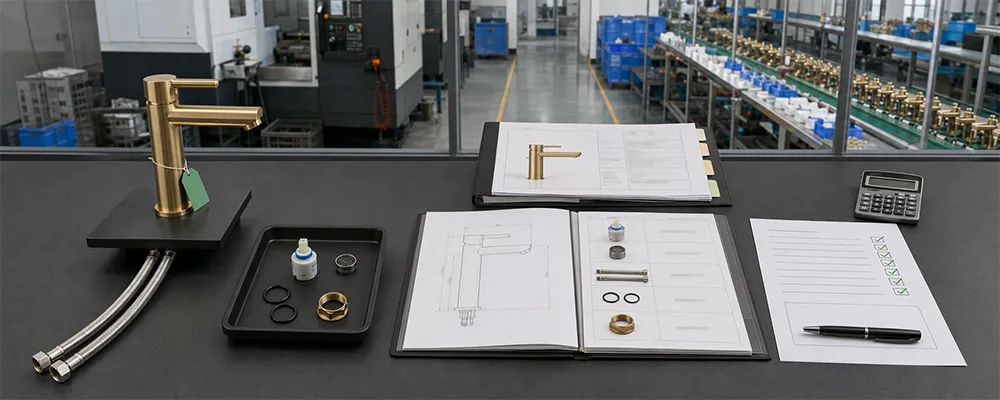
Faucet Supplier Due-Diligence Checklist Before Paying a Deposit
The deposit starts the production commitment. Changes made after this point may add cost or delay the order.
Before payment, confirm the supplier’s legal identity, production role, technical specification and quality controls. Keep the evidence with the purchase order.
1. Verify the Company
- Check the legal company name. It should match the contract and business licence.
- Confirm the factory address. Compare the address with audit records and certification files.
- Identify the supplier type. Ask whether it is a source factory, assembler or trading company.
- Review the production floor. Check the CNC machining, welding, assembly and testing areas.
- List outsourced processes. These may include casting, polishing, electroplating, PVD vacuum deposition and powder coating.
- Check production capacity. Request recent output data, shift details and current order load.
- Verify the bank account. The beneficiary should match the contract party. Any difference needs a clear written explanation.
2. Approve the Product Specification
- Review the technical drawing. Check dimensions, threads, connections and mounting details.
- Confirm the target market. Plumbing connections and flow rules vary by country.
- Approve critical tolerances. Include cartridge seats, sealing faces and threaded joints.
- Set the flow requirement. State the target GPM or L/min and test pressure.
- Approve the final finish. Record the finish code, texture, gloss and color range.
- Give every document a revision number. The purchase order should refer to the approved version.
3. Lock the Material and BOM
- State the exact brass grade. “Brass body” is not a complete specification.
- List all wetted materials. Include connectors, valve seats, adaptors and internal nuts.
- Approve the cartridge. Record the manufacturer, model and test requirement.
- Approve the aerator. State the Neoperl or other agreed model and flow rating.
- Define hoses and seals. Record their materials, dimensions and pressure ratings.
- Set a change-control rule. Replacement materials or parts require written review.
4. Verify the Certification Scope
- Use the certification body’s public database. Do not rely only on a PDF.
- Match the certificate holder. The legal company should be clear.
- Match the production address. Check where the certified product is made.
- Match the exact model. A similar faucet may not be covered.
- Check the current status. Review issue dates, expiry dates and listing status.
- Match the approved BOM. Material or component changes may affect certification.
- Confirm the target-market rules. cUPC, WRAS, ACS, DVGW, WaterMark and other approvals serve different markets.
5. Approve a Golden Sample
The Golden Sample should represent the product planned for mass production.
Confirm:
- Final brass specification
- Cartridge and aerator
- Hose and mounting kit
- Finish and logo
- Flow performance
- Packaging
- Instruction sheet
- Barcode and labels
Both sides should record the sample model, revision and approval date.
6. Agree on the Quality-Control Plan
Define the checks before production begins:
- Incoming material inspection
- First Article Inspection
- CNC dimension checks
- Thread-gauge inspection
- Pressure and sealing tests
- Cartridge cycle testing
- Hydrodynamic flow testing
- Cross-hatch adhesion testing
- Salt-spray testing
- Packaging inspection
- Pre-shipment inspection
Each test should state the method, sample size and pass criteria.
7. Confirm the Commercial Terms
The quotation and purchase order should state:
- Unit price and currency
- MOQ
- Incoterm
- Payment schedule
- Tooling cost
- Sample cost
- Packaging cost
- Inspection cost
- Order quantity tolerance
- Delivery schedule
- Document requirements
Confirm when the lead time begins. It may start after the deposit, drawing approval, Golden Sample approval or packaging approval.
8. Review Packaging and Delivery
- Approve the product box and master carton.
- Check how finished parts are separated.
- Confirm the packing list for each model.
- Test the box with the final finish.
- Set carton and pallet labels.
- Confirm barcode requirements.
- Agree on production milestones.
- Book time for inspection and possible rework.
- Define the container-loading record.
The shipping plan should include testing, packing, inspection and booking—not only the production finish date.
9. Define Warranty and Claim Handling
Confirm:
- Warranty start date and period
- Covered parts and failures
- Required claim evidence
- Supplier response time
- Spare-part support
- Replacement or credit process
- Freight responsibility
- Batch traceability
- Corrective-action format
- Handling of repeated defects
A warranty statement has more value when the claim process is clear.
10. Complete a Final Deposit Review
Before payment, make sure you have:
- Signed purchase order
- Approved drawings
- Frozen BOM
- Signed Golden Sample record
- Verified certification links
- Quality-control plan
- Approved packaging
- Production schedule
- Warranty terms
- Verified bank details
Not every order needs the same level of control. A certified OEM product, custom finish or large project order may need more checks than a standard repeat order.
The purpose of due diligence is not to remove every sourcing risk. It is to find unclear points while they are still easier to correct.
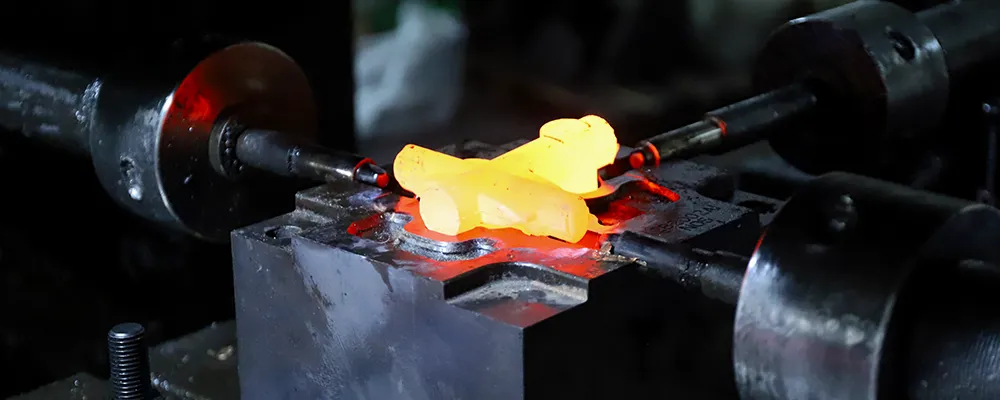
How LuxuryHome Controls Faucet Sourcing Risk
LuxuryHome operates a 35,000 m² faucet production base in Jiangmen, China. Monthly output is about 60,000 to 100,000 sets, depending on the product mix and finish schedule. The factory serves B2B wholesale, OEM and ODM programs.
Production and Material Control
Critical production steps include multi-axis CNC machining, laser welding where required, controlled assembly and final testing.
LuxuryHome focuses on Premium Low-Lead and DZR Brass faucets. The required brass grade is recorded in the drawing and BOM. Wetted parts are reviewed as part of the complete waterway.
Material records, approved samples and written change control help reduce the risk of unapproved substitutions.
Component and Flow Control
Cartridge and aerator details are fixed in the approved BOM. Available options include Sedal, Kerox and Vernet components, as well as Neoperl aerators.
Selected cartridge programs can be specified with a rated life of up to 500,000 cycles. Aerators are matched to the target flow rate and inlet pressure. Hydrodynamic testing checks flow stability, noise and laminar flow performance.
Finish and Laboratory Checks
Electroplating, powder coating and PVD vacuum deposition are completed through qualified suppliers in an environmental processing park. LuxuryHome sets the finish specification and completes internal IQC after the parts return.
Available checks include:
- 24-hour salt-spray screening
- Cross-hatch adhesion testing
- Falling-sand abrasion testing
- Color and surface inspection
- Pressure and sealing tests
Test conditions can be adjusted to the project standard. A short salt-spray screening test should not be treated as a direct service-life claim.
Model-Specific Compliance Records
LuxuryHome supports product programs involving cUPC, WaterMark, WRAS, ACS, DVGW, CE-related documents and U.S. low-lead requirements.
Coverage is checked by model, material, factory and destination market. Buyers can review the available certificate scope, technical drawing, frozen BOM, Golden Sample record and inspection plan before mass production.
Final Decision — Source Evidence, Not Promises
Choosing a faucet supplier in China should not end with the lowest EXW price. Price matters, but it is only one part of the landed risk.
Check who controls production. Match the brass grade, BOM and certification to the exact model. Approve the Golden Sample, test plan, finish standard and packaging before mass production.
A sound sourcing decision is based on records that can be checked. These may include current certificate listings, material reports, inspection results, batch codes and written change approvals.
No supplier can remove every production or delivery risk. Clear specifications and traceable evidence can make those risks easier to find, price and control.
Compare the complete offer, not only the unit cost. Ask what will be made, who will make it and how the result will be verified.
Send LuxuryHome your target market, annual volume, finish and certification needs for a model-specific review.