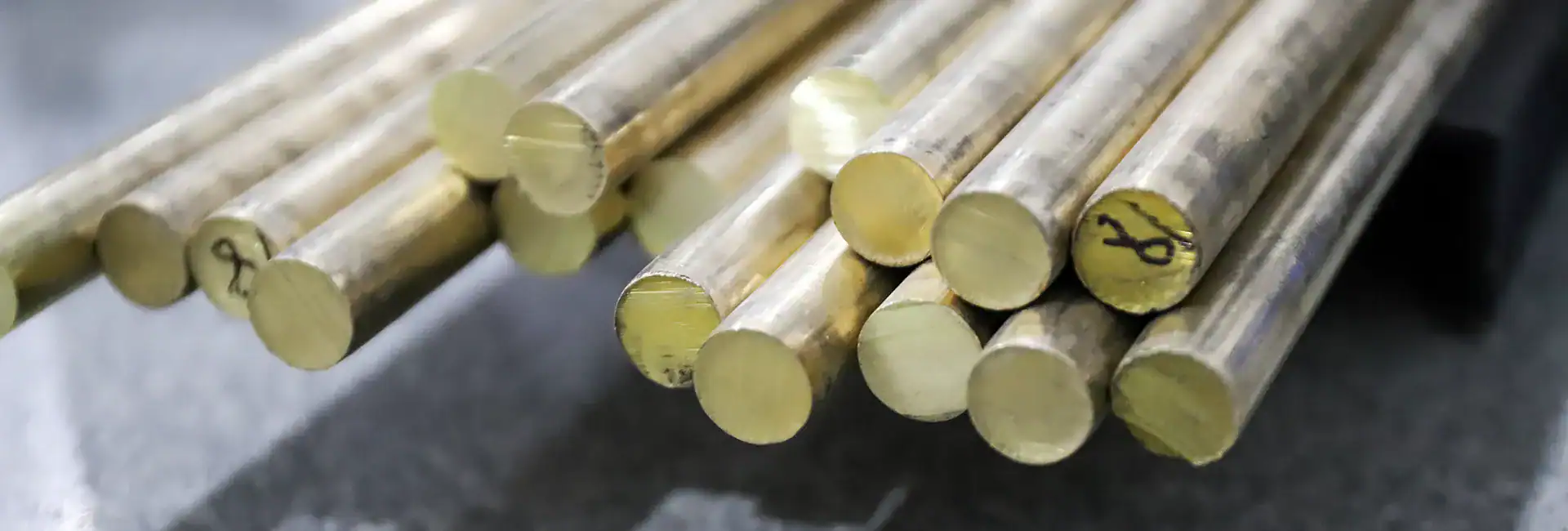
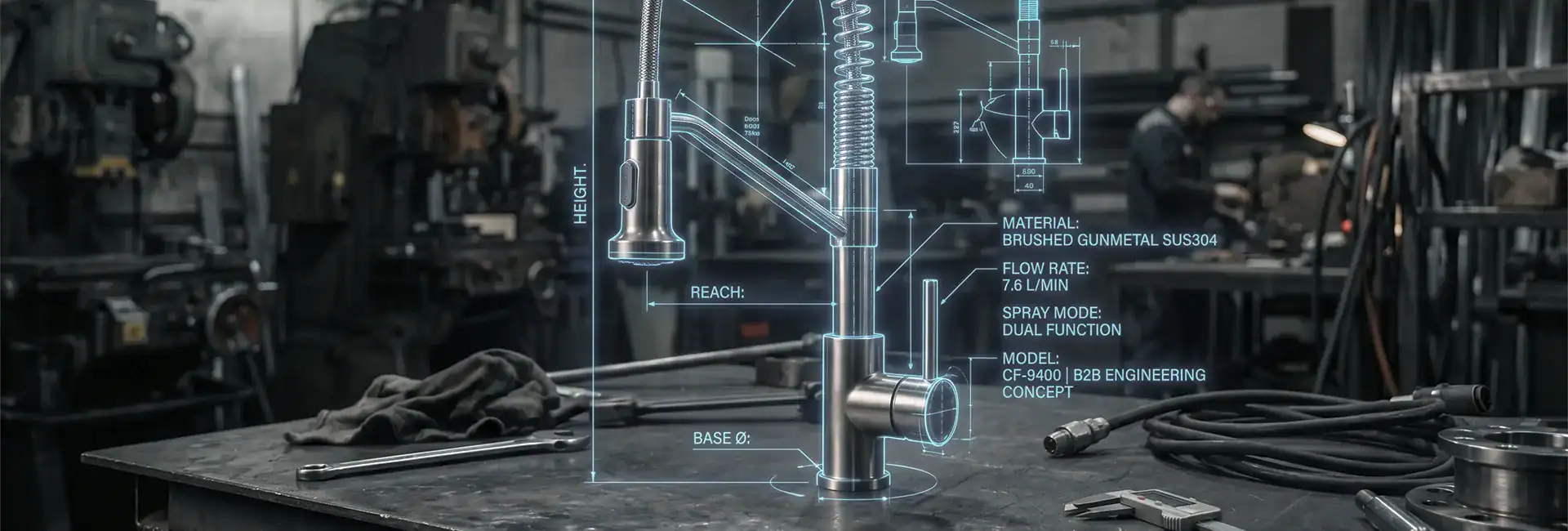
In commercial and hospitality projects, a wrong value-engineering choice shows up fast—corroded “stainless” fixtures in coastal hotels or worn matte black faucets in high-traffic restrooms.
A faucet is a long-term asset and a maintenance risk. The surface finish is what protects your project from corrosion, chemicals, and daily abuse.
Finishes shouldn’t be chosen by trend, but by performance: resistance to salt air, cleaning agents, and thermal shock.
This guide goes beyond aesthetics to material science and lifecycle value—helping you specify finishes that protect both budget and design, from coastal resorts to luxury hospitality.
The Physics of “Pretty” – Understanding Coating Technologies
Before choosing a finish, it’s critical to know what you’re specifying. “Gold” or “matte black” can mean very different technologies with very different performance.
They may look the same in a showroom, but their real-world lifespan can differ by decades. Here are the three main finish types you’ll encounter.
Physical Vapor Deposition (PVD): The Molecular Bond
PVD is the top-tier finish technology for architectural hardware and often the only reliable choice for high-stress environments.
- The Process
PVD is a bonding process, not a surface coating. In a high-vacuum chamber, metals like titanium or chromium are vaporized into plasma, react with nitrogen or carbon, and bond directly to the faucet surface—forming an ultra-uniform layer.
- The Result
- Extremely Hard: 2,500–3,000 HV, far harder than chrome (~900 HV) or brass (~200 HV), making it highly scratch-resistant.
- Permanent Adhesion: Molecular bonding prevents peeling or flaking, even under thermal expansion.
- Chemically Inert: Resistant to salt air, UV, and most acids—virtually tarnish-proof.
Thin, dense, and durable, PVD delivers long-term performance where failure isn’t an option.
Electroplating: The Traditional “Sandwich”
Electroplating defined the classic chrome finishes of the 20th century. While less durable than PVD, it remains a cost-effective solution for standard applications.
- The Process
Electroplating uses electrical current to layer metals onto the faucet, forming a three-part structure:- Copper for adhesion and surface smoothing
- Nickel as the main corrosion barrier
- Chrome for hardness, shine, and color
- The Limitation
This structure forms a hard but brittle shell. Thermal cycling can cause micro-cracks, allowing moisture to penetrate and trigger corrosion beneath the surface—leading to bubbling and peeling over time.
Electroplating works well in low-stress, dry environments, but it carries higher risk in coastal, humid, or high-traffic commercial settings.
Powder Coating and Lacquers: The Aesthetic Risk
The rise of matte black and matte white finishes pushed organic coatings—powders and paints—into mainstream use.
- The Process
- Powder coating: Dry powder is electrostatically applied and oven-baked into a skin.
- Lacquers: Liquid paints cured on the surface, often used to control aging in “living finishes.”
- The Reality
These coatings are essentially plastics and much softer than metal. They can chip from impact, degrade under harsh cleaners, and cannot be effectively repaired once damaged—exposed metal will oxidize and the damage spreads.
Powder coatings enable colors metals can’t, but they demand low-abuse environments. Specifying them for high-traffic or public restrooms is a high-risk choice.
The Coastal and Marine Challenge – Fighting the Salt
Let’s start with the most aggressive environment: the coast.
Projects within 5–10 miles of the ocean fall into the “salt zone,” where chloride-rich air rapidly attacks standard metals. For coastal resorts and luxury properties, corrosion isn’t just cosmetic—it leads to leaks, damage, and costly guest complaints.
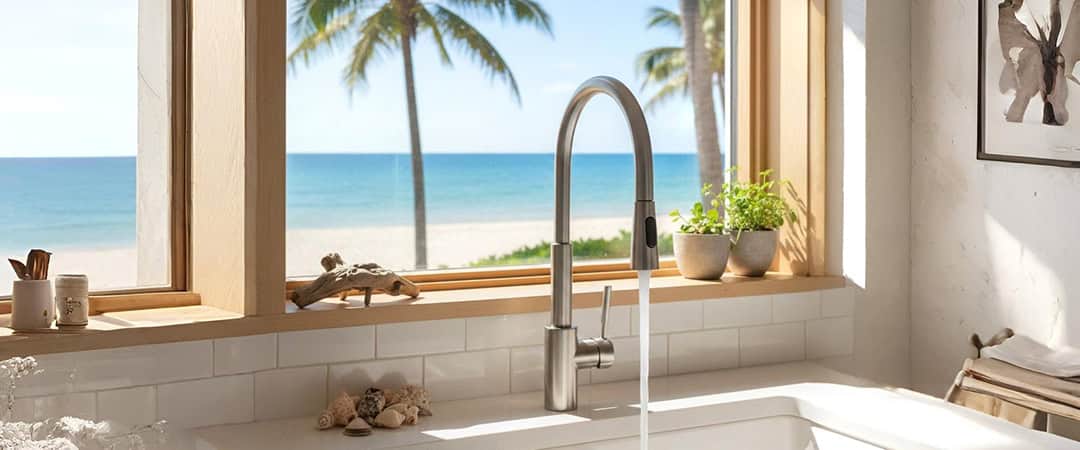
The Chemistry of Coastal Corrosion
Sea air is destructive because of chlorides. They accelerate oxidation and can penetrate the protective layers on stainless steel and chrome.
This leads to pitting, where chlorides eat into the metal from within, and tea staining on stainless steel—brown discoloration that looks like rust and quickly degrades a premium appearance.
The Material War: 304 vs. 316 Stainless Steel
“Solid stainless steel” isn’t specific enough for B2B specs. The real question is 304 or 316».
- 304 Stainless Steel
Standard grade with good indoor performance, but poor resistance to chlorides. In coastal or open-air environments, it will pit and tea-stain—often within months.
- 316 Stainless Steel
Marine grade, enhanced with molybdenum, which strengthens the protective layer against chloride attack. While 20–30% more expensive, it delivers far better long-term value in coastal projects.
For outdoor fixtures or open-air bathrooms within 5 miles of the coast, 316 stainless steel is mandatory. Avoid vague “corrosion-resistant” claims without proof.
“Visual Camouflage” for Hard Water
Coastal areas often have hard water, leaving white mineral deposits on faucets. Certain finishes make this worse:
- Polished Chrome: Reflective surface doubles the spots.
- Matte Black: High contrast makes white scale very visible.
Solution: Brushed or satin finishes like Satin Nickel or Brushed Gold. Their texture diffuses light, and colors blend with deposits, hiding them until extreme—reducing visible maintenance.
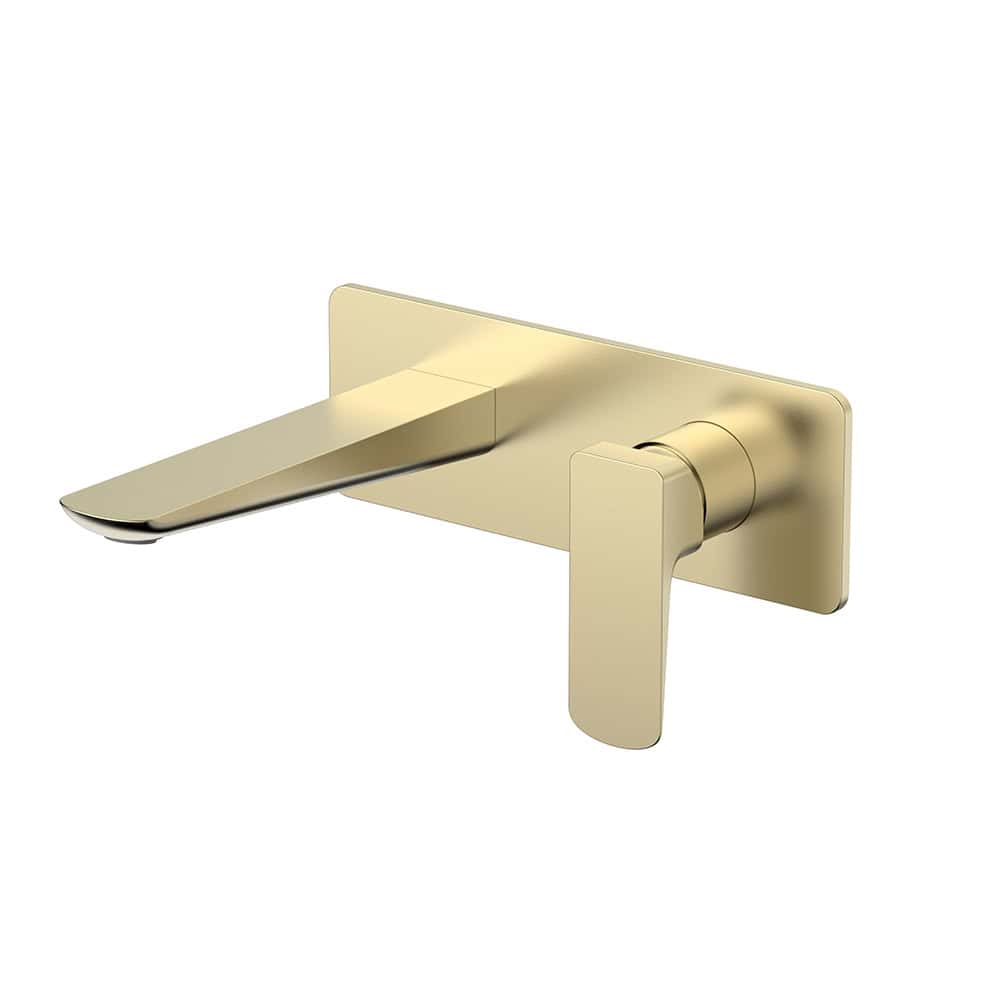
Single Handle Wall Mounted Bathroom Mixer Taps In Solid Brass | B1007 27
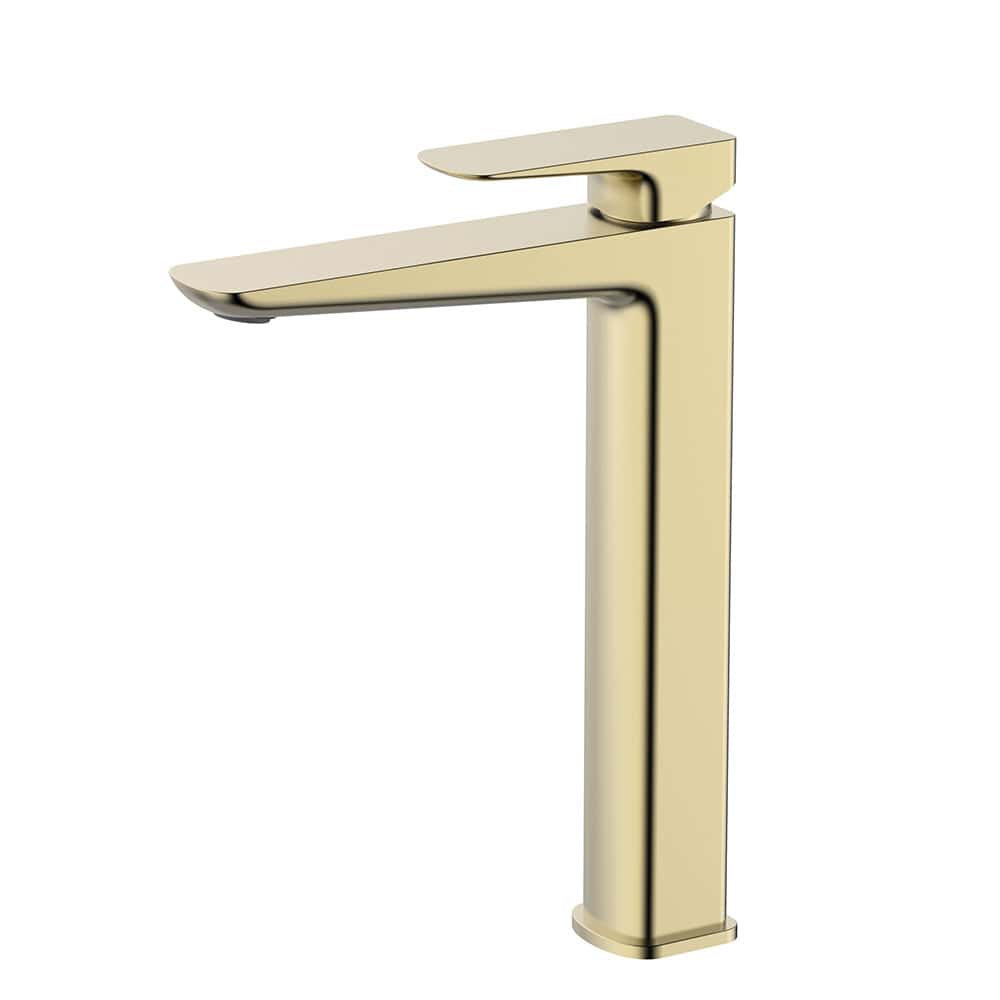
Tall Brass Bathroom Sink Tap With Single Handle design | B1007 02
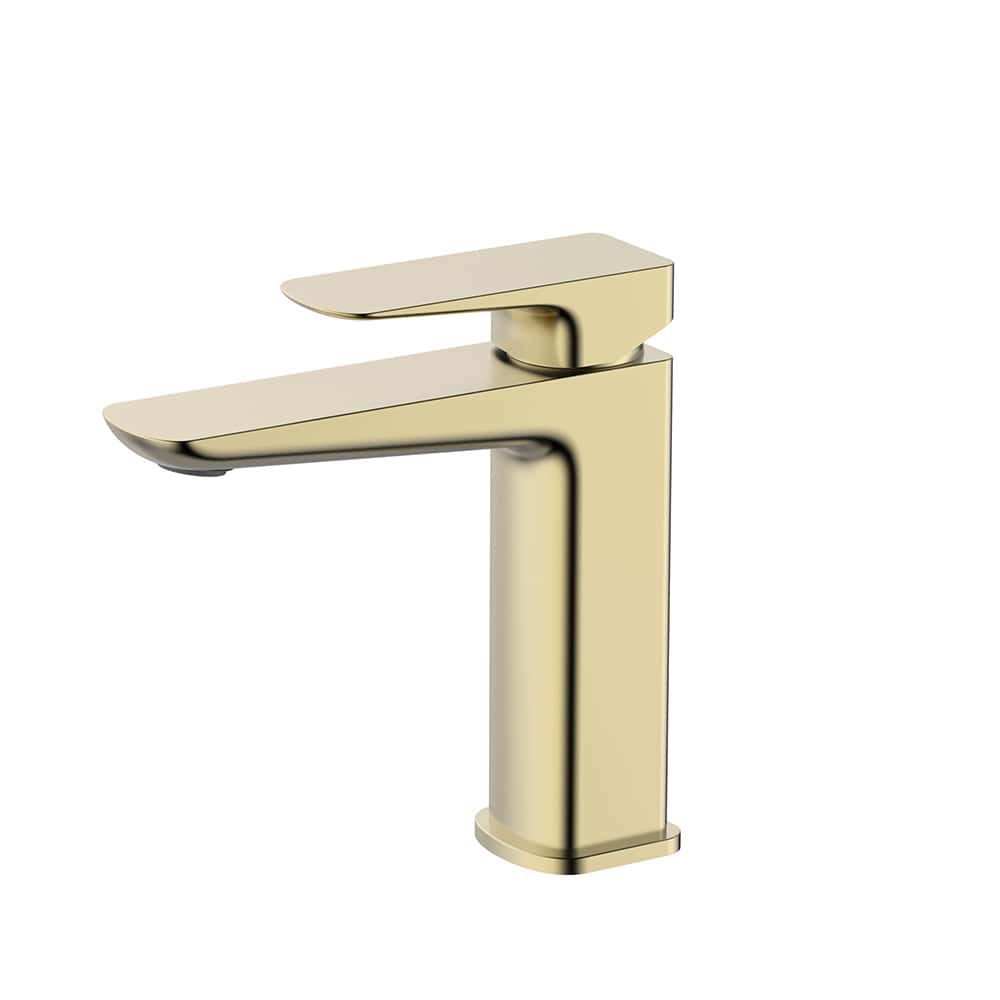
Simple Modern Bathroom Faucet Solid Brass Material
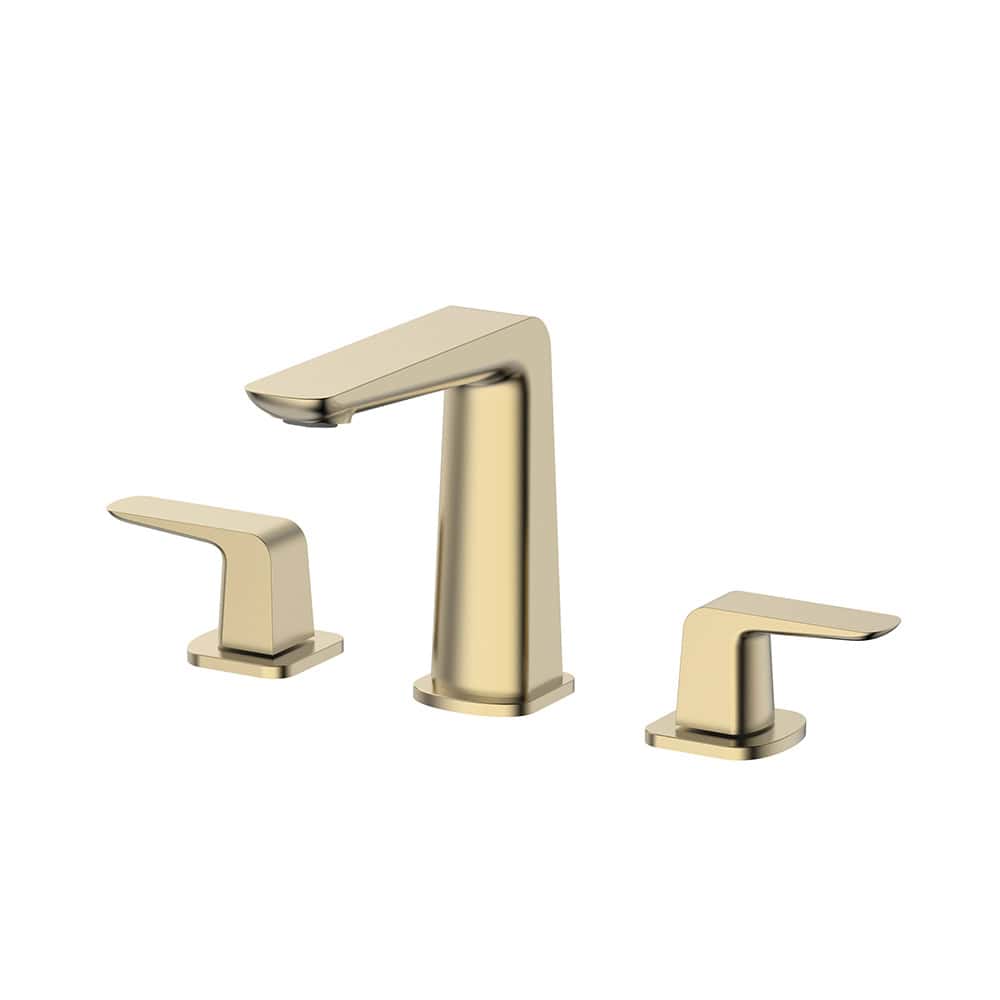
Double Handle Widespread Bathroom Faucet With Smooth Lines Design | B1007 04
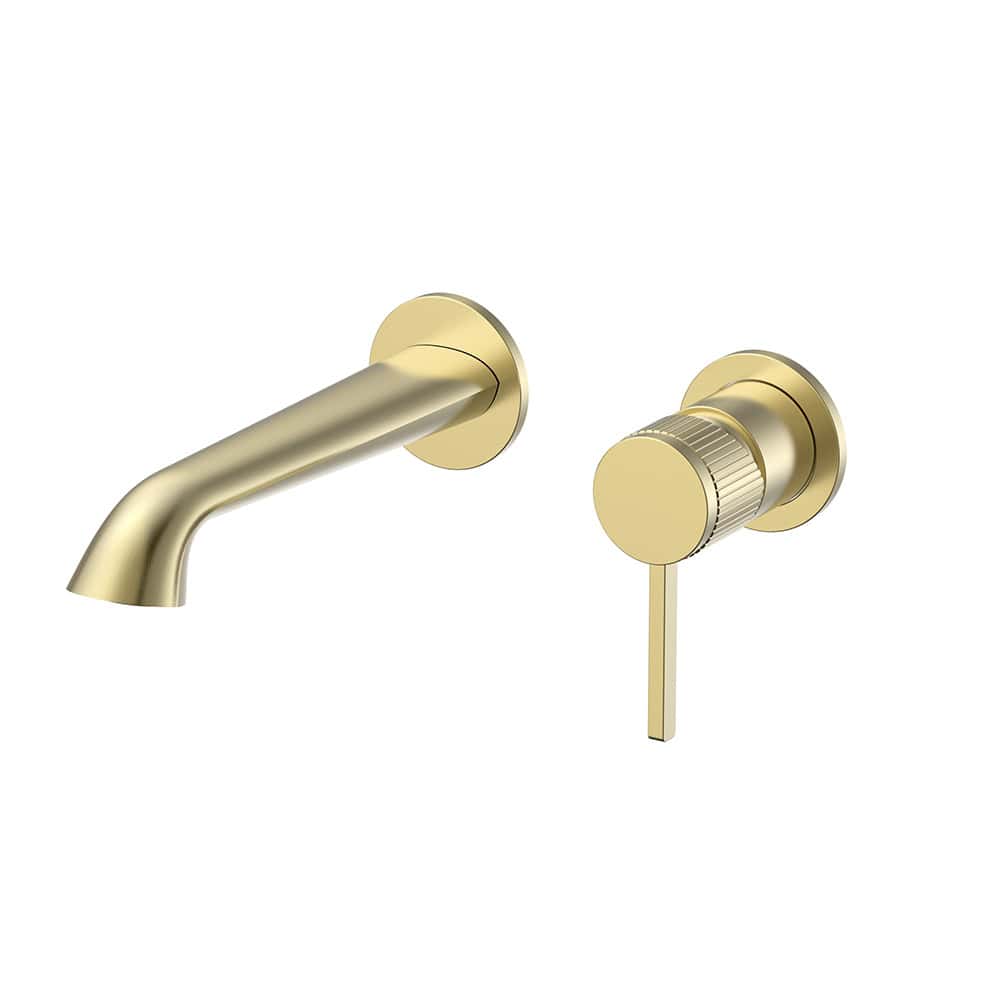
Double Hole Single Handle Hidden Bathroom Mixer Tap With Knurled Design | B1006 28
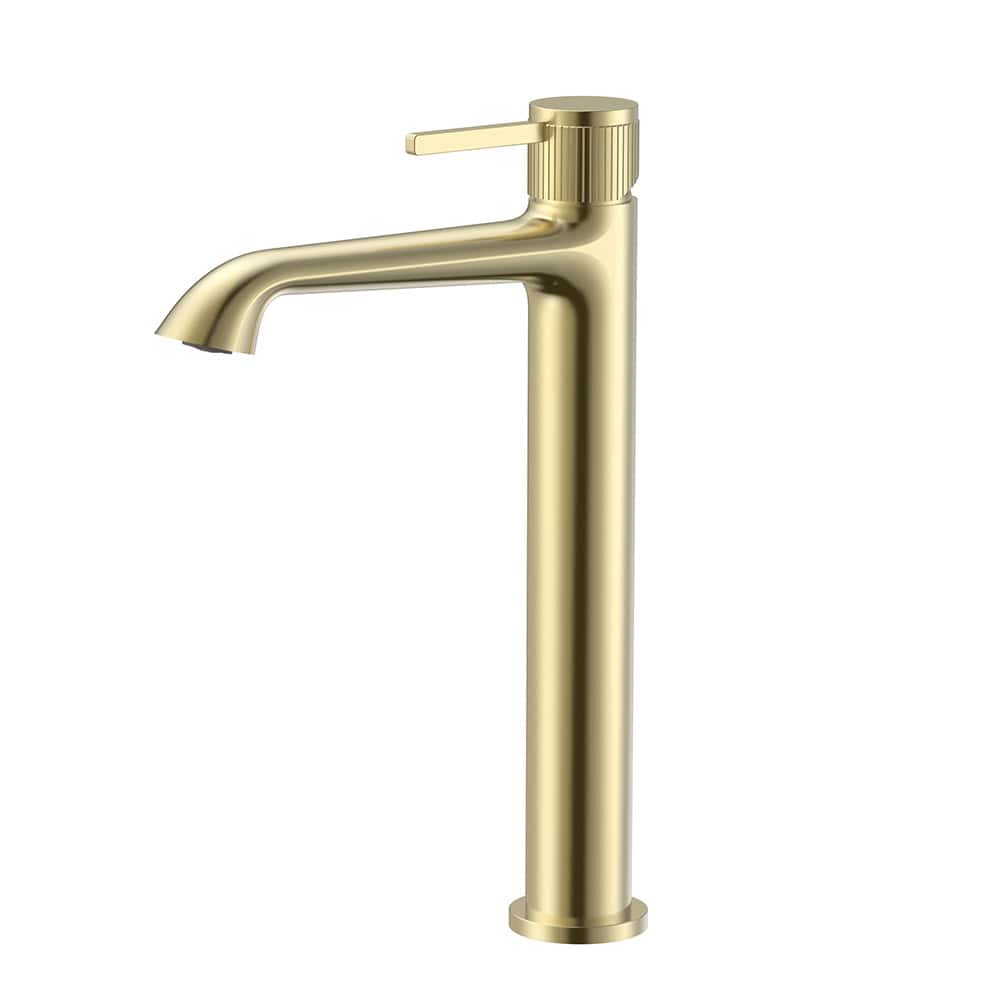
Single Hole Tall Bathroom Mixer Tap Knurled Design | B1006 02
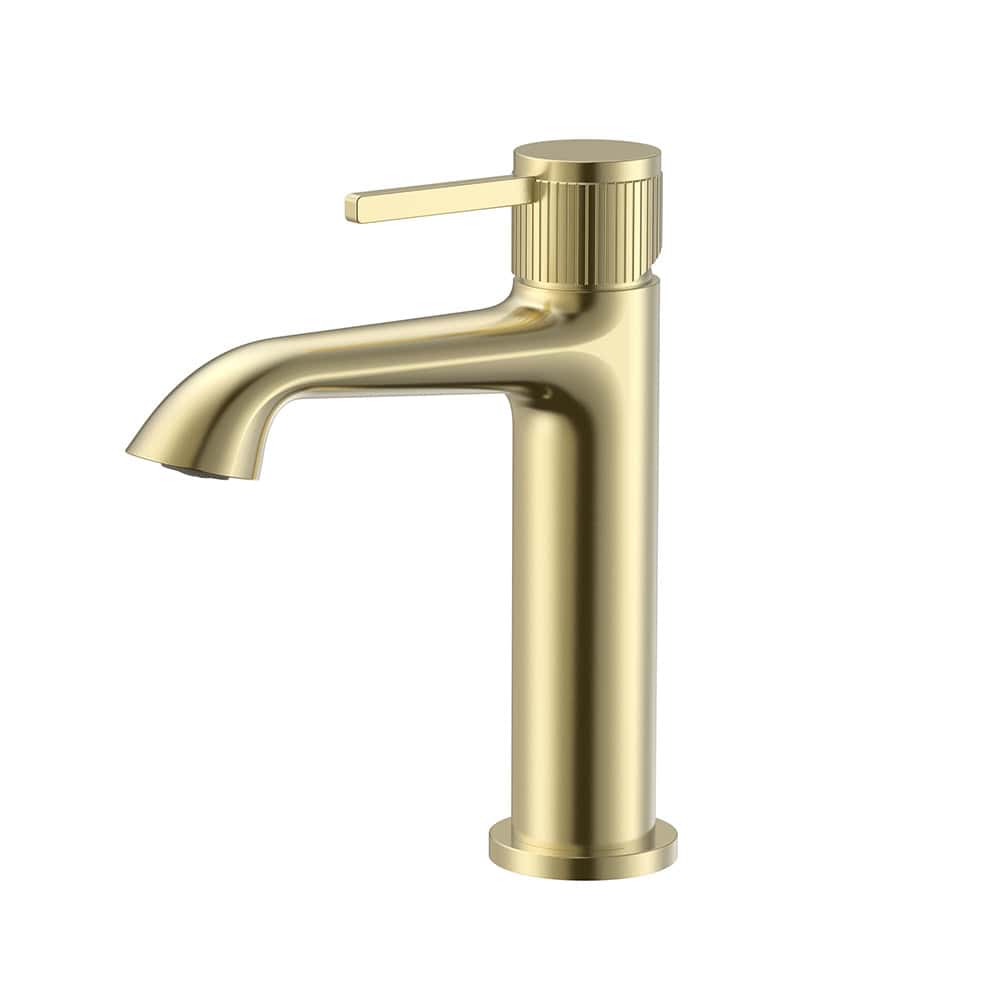
Solid Brass Knurled Single Hole Bathroom Faucet | B1006 01
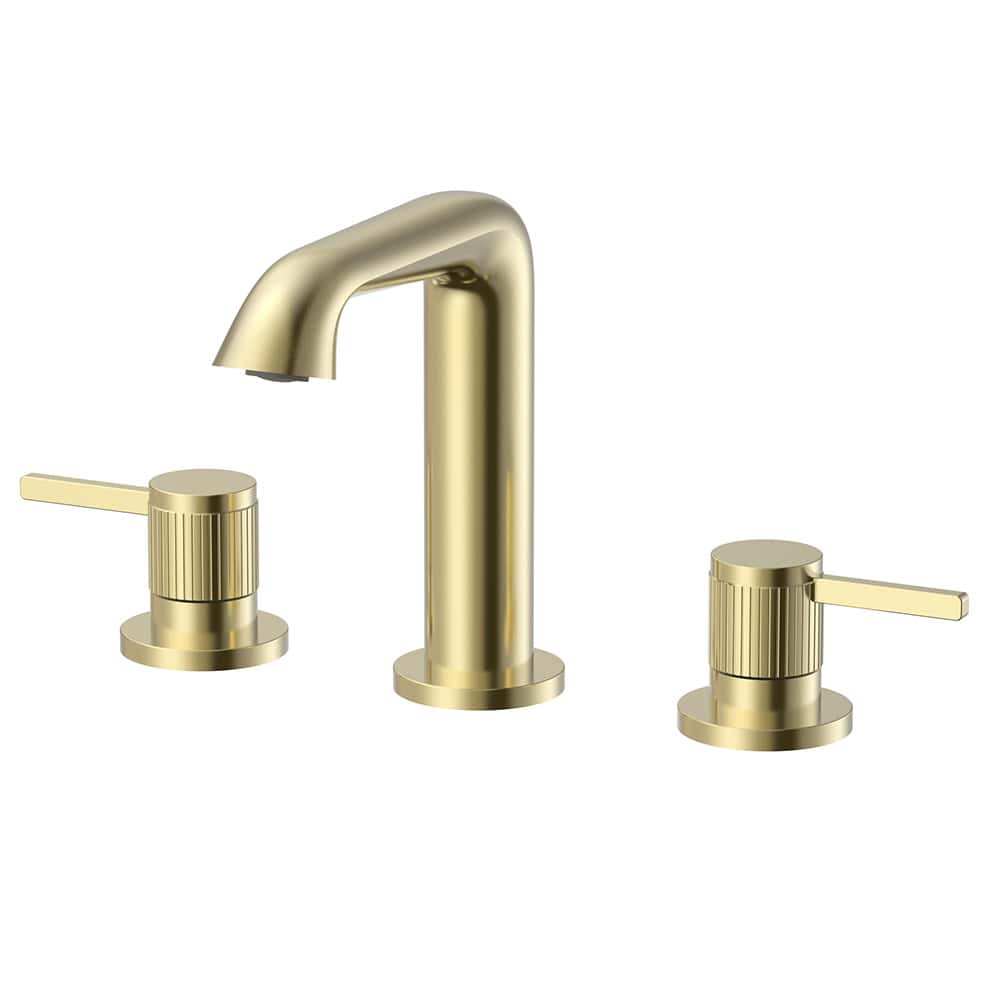
Brass Gold Widespread Bathroom Mixer Tap With Knurled Streamlined Design | B1006 04
PVD in the Salt Zone
Gold or black finishes can work on the coast—but only if PVD.
- Performance: Standard chrome lasts ~96 hours in ASTM B117 salt spray; high-quality PVD can endure 1,000–2,000 hours without tarnishing.
- Caution: PVD must be applied over solid brass or stainless steel. PVD on zinc (pot metal) will fail as salt air corrodes the substrate, causing swelling and cracking.
| Feature | Best in Class | Acceptable | Do Not Spec |
|---|---|---|---|
| Material Substrate | Solid 316 Stainless Steel | Solid Lead-Free Brass | Zinc Alloy / Zamak |
| Finish Technology | PVD (Zirconium/Titanium) | Electropolished 316 Steel | Powder Coat / Paint |
| Surface Texture | Brushed / Satin (Hides Scale) | Polished (High Maintenance) | Matte (High Contrast) |
| Salt Spray Rating | > 1,000 Hours | > 400 Hours | < 96 Hours |
The Public and Commercial War Zone – Designing for Abuse
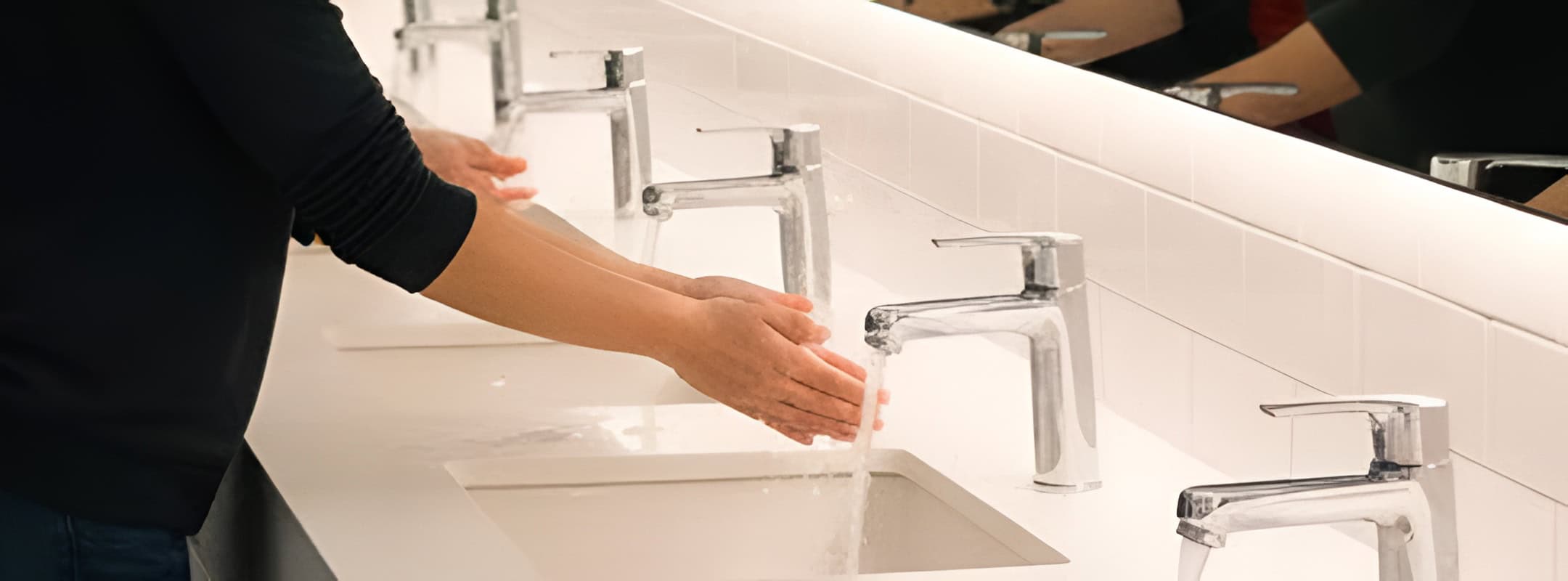
Welcome to the jungle: The Public Restroom. Whether it’s an airport terminal, a stadium, or a shopping mall, these fixtures face a level of aggression that residential faucets never see.
We are dealing with three distinct threats: High Frequency, Chemical Warfare, and Vandalism.
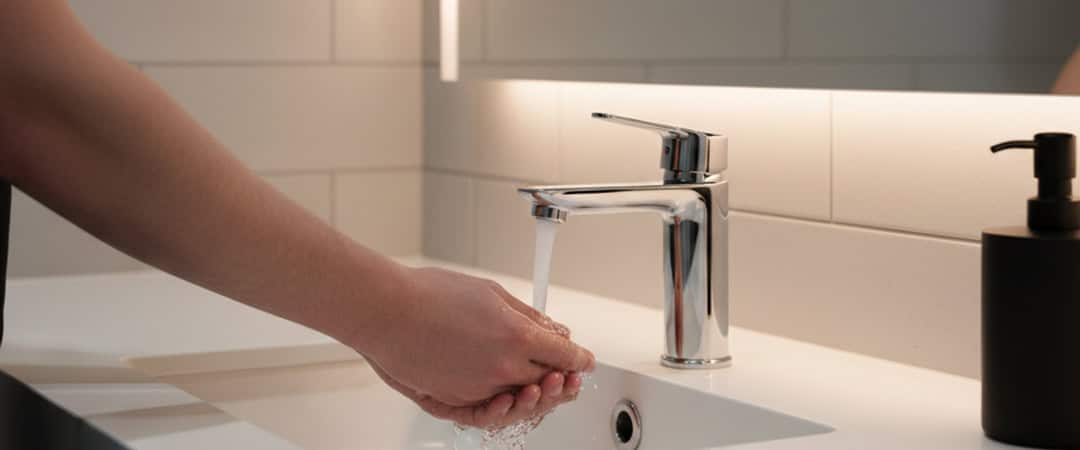
The Chemical Warfare of Janitorial Staff
In commercial settings, cleaning crews are often the biggest threat, using strong chemicals like bleach, ammonia, or phosphoric acid. These can strip organic finishes or etch zinc surfaces.
- PVD Advantage: Chemically inert, PVD withstands industrial cleaners without hazing or peeling—making it the only reliable option for colored finishes like gold or black in public spaces.
- Antimicrobial Coatings: Silver-ion finishes (e.g., Saniguard) inhibit bacteria and mold, but can wear over time. PVD itself isn’t antimicrobial, though its smooth surface resists biofilm better than porous coatings.
Vandalism: The “Will It Break?” Test
In high-traffic restrooms, faucets face impact, misuse, and tampering.
- Impact Resistance: Powder-coated faucets chip easily; PVD is bonded at the molecular level and cannot chip.
- Tamper-Proofing: Use recessed aerators with special keys and anti-rotation pins to prevent theft, clogging, and supply line damage.
The Economics of Durability (LCA)
In commercial projects, lifecycle cost matters more than first cost.
- Example: 500-Room Hotel
- Cheap Chrome: $150/unit, 4-year lifespan → 3 replacements in 12 years. Hardware + labor + downtime = $1,350 per room.
- PVD Finish: $250/unit, 12+ year lifespan → Total cost ≈ $350 per room.
- Insight: Choosing cheap finishes can cost $1,000 per room over a decade—$500,000 across 500 rooms. PVD often comes with commercial lifetime warranties, protecting owners from finish failure.
| Feature | Recommended | Avoid |
|---|---|---|
| Finish | PVD (Any Color) or Brushed Stainless | Powder Coat, Lacquered Copper |
| Operation | Sensor (Touchless) | Two-Handle (Too many moving parts) |
| Aerator | Vandal-Resistant (Keyed) | Standard Screw-on |
| Cleaning | Bleach-Resistant | Requires pH Neutral Soap (Unrealistic) |
The Wet vs. Dry Zone – Zoning the Luxury Bathroom
In high-end design, bathrooms aren’t a single environment—they’re two micro-climates: Wet Zone (shower/tub) and Dry Zone (vanity/toilet).
Specifying them separately enables mixed-metal designs that balance durability and aesthetics.

The Wet Zone: Thermal Shock and Immersion
The shower is a torture chamber for finishes.
- Thermal Shock: A shower mixer goes from 60°F to 120°F in seconds. Materials expand. If the plating is rigid and the substrate expands, the plating cracks.
- Steam & Enclosure: Steam penetrates crevices that liquid water cannot.
- The Spec: PVD is non-negotiable here. Its flexibility allows it to expand with the brass body without cracking.
- Design Note: For glass shower enclosures, ensure the hinges and handle hardware match the PVD finish of the valve. Using a cheap plated hinge with a high-end PVD shower head will result in mismatched gold tones within a year.
The Dry Zone: “Living Finishes”
The vanity is low-stress—perfect for unlacquered brass and “living finishes.”
- Patina: Bright gold at installation, darkening over time; handles stay lighter from daily touch, creating a unique, evolving pattern.
- Maintenance: Spots and color changes are normal; polish with Brasso or lemon-salt mix if needed.
- Protection: Optional wax (carnauba or Renaissance) twice a year slows patina development.
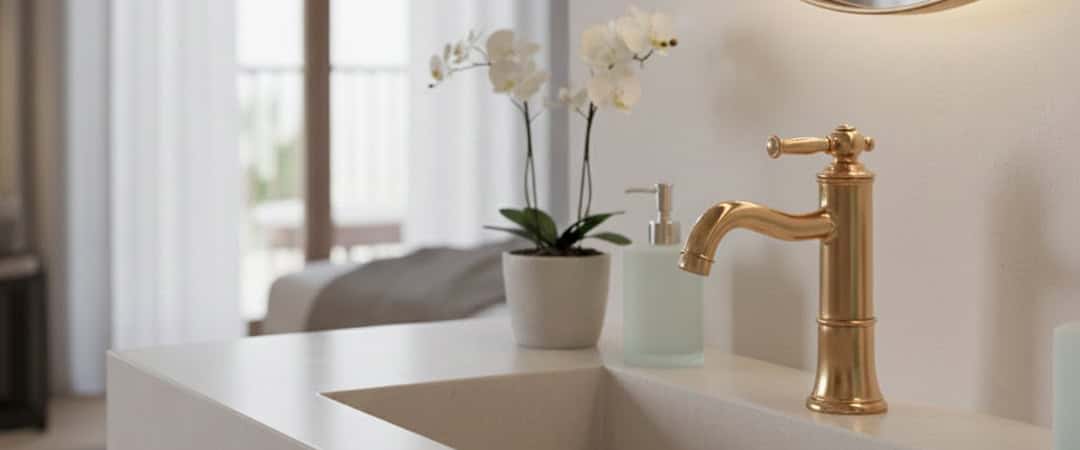
Mixing Metals: The 2026 Aesthetic
“Matching everything” is out—2026 favors texture and contrast.
- Strategy: Durable neutral for the Wet Zone (Brushed Nickel, PVD Stainless); bold accent for Dry Zone (Matte Black, Unlacquered Brass).
- Knurling: Industrial textures like diamond-cut handles shine with PVD, which preserves crisp tactile detail.
- Warm Neutrals: Polished Nickel returns as “Warm Chrome,” bridging modern and traditional with a subtle gold undertone.
The Maintenance Guide – Protecting the Investment
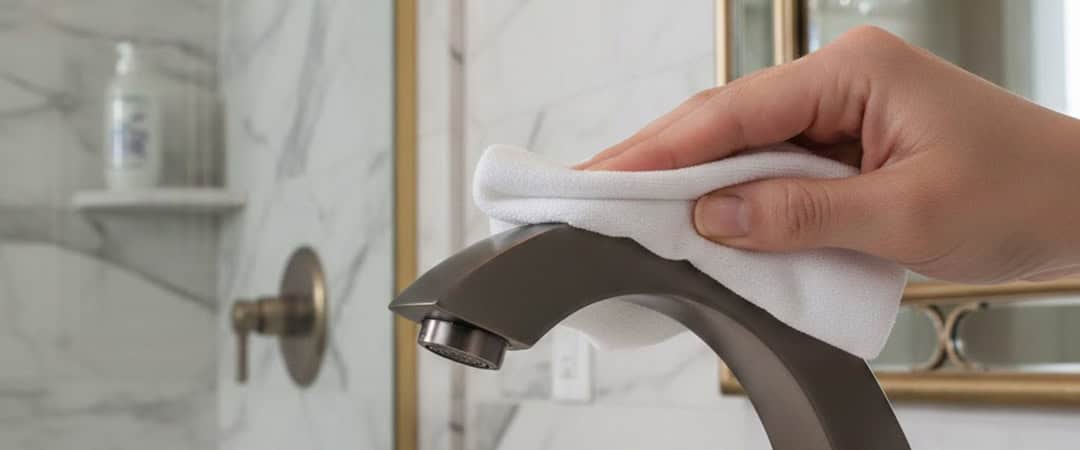
You can specify the best faucet in the world, but if the cleaning crew attacks it with scouring pads, it will be ruined in a week. As a specifier, your job ends with the “Handover Package”—instructions on how to care for these assets.
The “Death List” of Chemicals
Issue a strict “Do Not Use” list to the facilities team:
- Hydrofluoric Acid: Often found in rust removers. Will eat finish instantly.
- Phosphoric Acid: Found in heavy-duty tile cleaners.
- Bleach (High Concentration): Can pit porous metals.
- Abrasives: Scotch-Brite pads, steel wool, or gritty cream cleaners (like Soft Scrub).
The Safe Protocol
- The Golden Rule: Warm water and mild dish soap. That’s it.
- For Scale Removal: A 50/50 mix of White Vinegar and Water.
- Technique: Soak a paper towel in the vinegar mix and wrap it around the faucet base or aerator for 10 minutes. The scale will wipe away. This is safe for PVD and Chrome.
- For Living Finishes: Do not clean! Just wipe dry. Cleaning strips the patina. If they want to shine it, use a specific brass polish, but be aware this resets the clock on the aging process.
Conclusion: The Specification Checklist
To wrap up, here is your cheat sheet for your next project. Don’t let the sheer number of options paralyze you. It comes down to matching the physics of the finish to the chemistry of the environment.
- Is it Coastal? (<5 miles from salt water)
- MUST be Solid 316 Stainless Steel or PVD over Brass.
- NO Zinc/Pot Metal.
- Choose Brushed/Satin textures to hide salt/calcium spots.
- Is it High-Traffic Public? (Stadium, Airport, Mall)
- MUST be PVD Finish (Hardness > 2500 HV).
- MUST include Vandal-Resistant Aerators (Keyed).
- Consider Touchless/Sensor to reduce contact wear.
- Is it a Luxury Hotel Bathroom?
- Wet Zone (Shower): PVD for thermal shock resistance.
- Dry Zone (Vanity): Safe for Unlacquered Brass, Powder Coat Black, or Living Finishes.
- ROI Check: Verify the 10-year replacement cost, not just the Day 1 unit cost.
The faucet is the handshake of the building. It is the first thing a guest touches, and the first thing that breaks if you choose wrong. By shifting your mindset from “color selection” to “surface engineering,” you ensure that this handshake remains firm, clean, and beautiful for the life of the building.