Most faucet returns aren’t caused by defects—they’re caused by installation mistakes. Overtightening, debris in cartridges, improper sealants, and chemical damage account for the majority of “failed” faucets.
These returns cost distributors time, freight, and margin, often with no credit from manufacturers. This report shows distributors and counter staff how to identify real failure causes, reduce RMAs, and shift from processing returns to preventing them—protecting both profits and contractor relationships.
Why is this issue so important?
Faucet installation errors matter because they cost real money.
A wrongly installed faucet often leads to leaks, callbacks, and returns. Each callback costs contractors hundreds of dollars in labor» and lost time. Each return costs distributors freight, staff time, and often unrecoverable product value.
Most of these faucets are not defective. They fail because of overtightening, debris, wrong sealants, or chemical damage. When these errors are treated as “warranty issues,” the same mistakes repeat.
Ignoring installation errors turns small mistakes into ongoing losses—for contractors, distributors, and manufacturers alike.
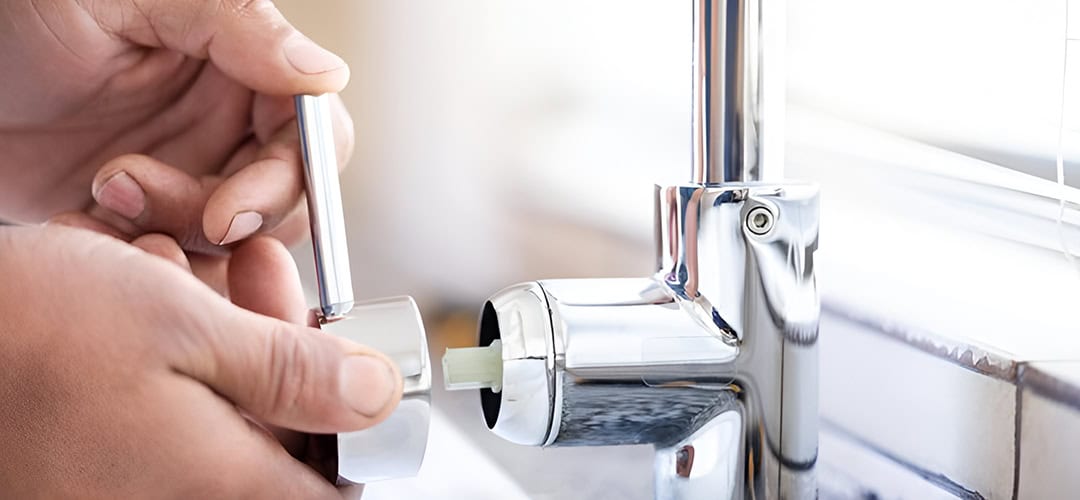
The Physics of Connection Failures – The “Gorilla” Effect
Now let’s get technical. The most common installation errors occur at the connection points—supply lines and mounting hardware. A persistent myth in plumbing is that “tighter is better,” a mindset carried over from galvanized pipe days. In modern faucets, this habit causes damage, not better sealing.
The Cracked Supply Nut: A Study in Stress
Modern faucets use integrated flexible supply lines with 3/8″ compression fittings. The connection nut is typically brass, or in lower-cost models, zinc die-cast alloy or engineering plastic.
- Failure mechanism: Overtightening the nut with pliers introduces excessive hoop stress.
- Proper sealing: The internal rubber gasket seals with minimal force—typically hand-tight plus a quarter turn.
- Gasket damage: Excessive torque crushes the gasket beyond its elastic limit, preventing reliable sealing.
- Stress corrosion cracking (SCC): Constant tensile stress, combined with moisture and household chemicals, weakens metal nuts over time.
- Delayed failure: Cracks often appear weeks later, leading to sudden hose blow-off and flooding.
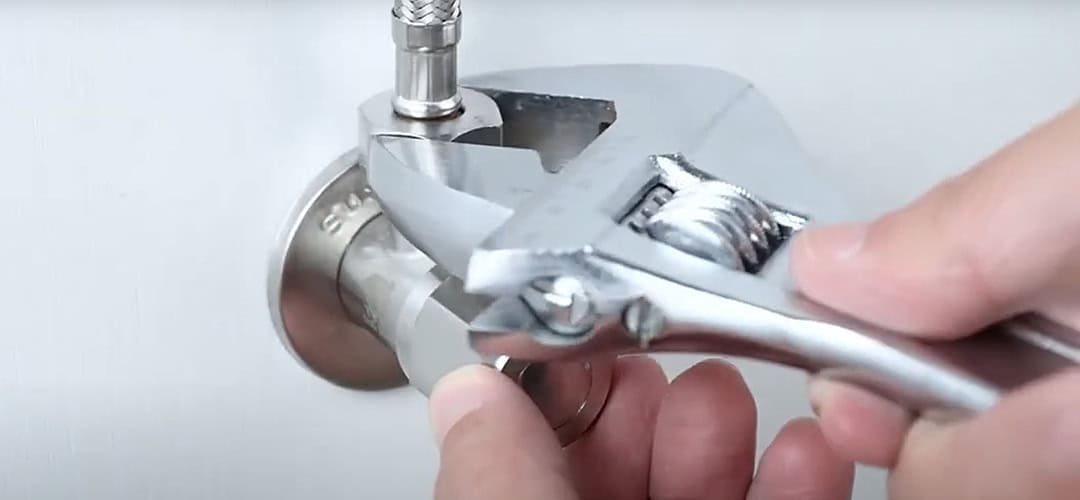
- Identifying the error: Inspect the nut on a returned “burst” supply line.
- Key evidence: A clean vertical crack along the nut indicates overtightening; true manufacturing defects usually appear as pinholes or crimp-joint failures.
Stripping Threads on Polymer Shanks
Many high-volume faucets, especially those used in new construction, feature polymer (plastic) bodies and shanks. Designs like Delta’s Diamond Seal use PEX-lined waterways that isolate water from metal components.
Failure mechanism: Plastic threads cannot tolerate cross-threading. A metal nut forced on at an angle cuts into the softer plastic.
- Result: The connection may hold briefly, then leak or blow off under pressure.
- Common misdiagnosis: The threads are blamed as a factory defect.
- How to identify it: Chewed, shredded, or flattened plastic threads indicate installation error; molding defects show incomplete threads or flashing, not damage.
The “Universal” Connection Myth
Another common issue arises when contractors attempt to reuse old supply lines with new faucets. Old rubber gaskets harden and take a “set” over time. When reused, they cannot conform to the new faucet shank, leading to leaks.
Distributor Tip: Always upsell new supply lines if the faucet doesn’t come with them integrated. It’s cheap insurance against a callback.
The Teflon Tape Trap – Misuse of Sealants
If overtightening is the “Gorilla” problem, the misuse of PTFE (Polytetrafluoroethylene) tape is the “phantom” problem. It is the most pervasive bad habit in the industry, passed down from journeyman to apprentice for decades.
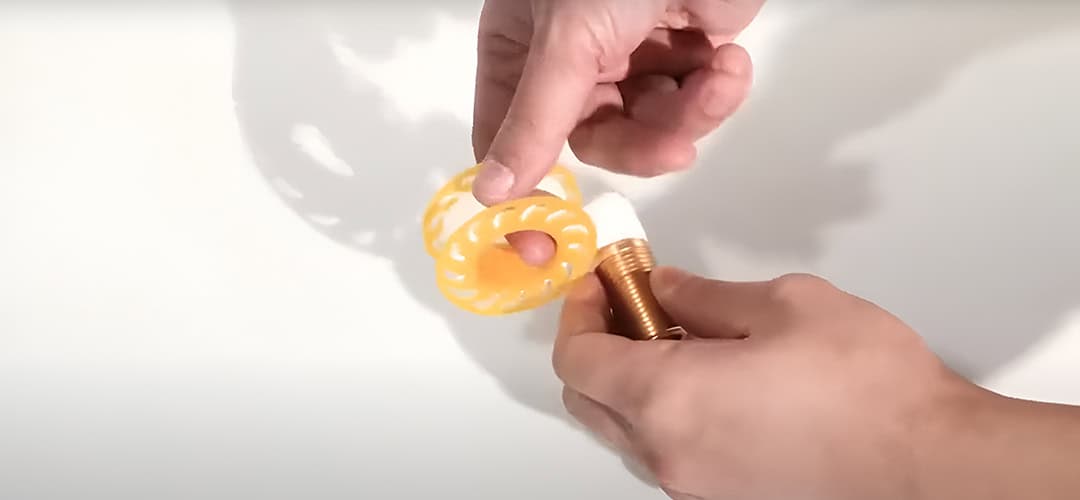
NPT vs. Compression: Knowing the Difference
To understand why tape kills faucets, we must distinguish between the two types of threads found in residential plumbing:
- NPT (National Pipe Taper): These threads are cone-shaped. As you tighten them, the male and female threads wedge together. The seal is made by the interference of the threads themselves. Here, Teflon tape or pipe dope is mandatory to lubricate the joint and fill microscopic gaps.
- Compression / Straight Threads: These are found on faucet shanks, flexible supply line nuts, and angle stop outlets. The threads are parallel (cylindrical). They serve only one purpose: to act as a clamp. They pull the nut down so that the rubber washer or ferrule (olive) is compressed. The threads themselves do not hold back water.
Why Tape Causes Leaks on Faucets
When a plumber wraps Teflon tape around the threads of a faucet shank or a compression angle stop, they are sabotaging the installation in three ways:
- Interference: The bulk of the tape jams the threads. The installer feels resistance and thinks, “Okay, it’s tight.” However, the nut hasn’t traveled down far enough to compress the rubber gasket. The “tightness” is false; it’s just tape friction. The result is a slow drip.
- Hoop Stress: The added thickness of the tape expands the diameter of the male thread. Forcing a nut over this artificially thickened thread puts massive outward pressure on the nut, significantly increasing the risk of the stress cracks discussed in Part II.
- Shredding: Excess tape can shred and enter the waterway, clogging the aerator or cartridge immediately (see Part IV).
| Connection Type | Use Teflon Tape? | Why? |
|---|---|---|
| Iron Pipe Nipple (NPT) | YES | Tapered threads need lubricant and gap filling to seal. |
| Shower Arm (into wall) | YES | Standard NPT connection. |
| Faucet Supply Shank | NO | Straight threads; seal is made by the rubber cone washer/nut. |
| Angle Stop (Outlet) | NO | Compression thread; seal is made by the flex line gasket. |
| Flex Line Nut | NO | Seal is internal gasket. Tape prevents proper seating. |
The Debris Dilemma – Flushing and Cartridges
The modern ceramic disc cartridge is a marvel of engineering. Two diamond-polished ceramic plates slide across each other to control water flow with near-frictionless precision. They are incredibly durable—except when they meet a grain of sand.
The “Trim-Out” Hazard
In new construction or renovation, the “rough-in” phase involves cutting copper, soldering joints, and drilling holes. This creates a significant amount of debris:
- Copper shavings (swarf).
- Solder beads.
- Flux residue.
- Drywall dust and sawdust.
- Bits of old rubber washers from old valves.
When the water is turned on for the first time, this debris is blasted through the pipes at 60 PSI. If the faucet is connected, that debris slams directly into the cartridge and the aerator.

The Single Grain Failure
If a piece of copper shaving or sand gets caught between the ceramic discs, it scores the polished surface. This creates a permanent channel for water to pass through.
- The Symptom: The faucet drips constantly, even when the handle is off. Or, the debris lodges in the port, causing drastically low water pressure on one side (usually the hot side, as sediment settles in water heater tanks).
- The Mistake: Failing to flush the supply lines before connecting the faucet.
- The Fix: Every manufacturer’s instruction manual has a step that says “Flush Lines.” It is the most ignored step in plumbing history.
Troubleshooting at the Counter: When a contractor returns a faucet saying, “It has no pressure,” do not process the return immediately.
- Ask: “Did you check the aerator?” Debris often gets caught in the final screen. Removing and cleaning it fixes 90% of low-pressure complaints.
- Ask: “Did you flush the lines?” If not, the cartridge is likely clogged or scored.
- Solution: Offer a replacement cartridge, not a whole new faucet. This is cheaper for everyone and solves the problem faster than waiting for a new unit to ship.
The “Hot Water” Clue
If a customer claims “The cold water is fine, but the hot water is a trickle,” this is almost certainly debris. The hot water shut-off valve often contains rubber washers that disintegrate over time, or sediment from the water heater moves downstream. This is not a faucet defect; it is a system debris issue.
Chemical Warfare – Putty and Cleaners
We have covered mechanical failures (torque) and hydraulic failures (debris). Now we must address chemical failures. The materials used to install and clean faucets can be just as destructive as a wrench.

Plumber’s Putty vs. Plastic
For decades, plumber’s putty was the go-to sealant for drain flanges and deck plates. However, traditional putty is oil-based (often linseed oil).
- The Reaction: These oils react aggressively with certain plastics, particularly ABS (Acrylonitrile Butadiene Styrene) and some PVC compounds used in modern faucet bodies and trim. The oil causes “plasticizer migration,” leeching the flexibility out of the plastic.
- The Result: The plastic becomes brittle and shatters». A drain flange installed with putty might crack three months later, causing a leak under the tub or sink.
- The Solution: Use 100% Silicone sealant or “stain-free” putty specifically marked as safe for plastics/stone. Better yet, use the rubber gaskets provided by the manufacturer. If a faucet comes with a foam or rubber base seal, no putty is needed. Adding putty can actually distort the factory seal and cause leaks.
The “Clean Freak” Paradox
The finish on a faucet—whether Chrome, Brushed Nickel, or Oil Rubbed Bronze—is a technological achievement. Physical Vapor Deposition (PVD) finishes are incredibly hard. However, they are not impervious to acid.
- The Enemy: Bleach (Sodium Hypochlorite), Ammonia (Windex), and industrial acids (Lime-Away, CLR).
- The Damage: These chemicals attack the clear coat or the substrate of the finish. “Living finishes” like Oil Rubbed Bronze can be stripped down to bare brass in seconds.
- The Warranty: Almost every manufacturer explicitly voids the finish warranty if abrasive or acidic cleaners are used.
- The Diagnosis: If a customer returns a faucet with “peeling finish,” look at the pattern. Is the peeling only on the underside of the spout where a cleaner would drip and hang? Is it spotted like a spray pattern? This is chemical damage, not a manufacturing defect.
Advanced Scenarios – Touchless & Commercial
As technology enters the plumbing space, the complexity of installation errors increases.
Touchless/Electronic Faucets
Capacitive touch and infrared sensors introduce electrical failure modes.
- Battery Box Placement: If the battery box is placed on the floor of the cabinet, it can get wet from minor leaks or condensation, corroding the contacts. It should be mounted on the wall.
- Wire Pinching: During installation, the thin data cables connecting the spout to the solenoid valve are easily pinched by the mounting nut. A pinched wire results in a “dead” faucet or erratic behavior.
- Grounding: Some capacitive touch faucets (like Delta Touch2O») require proper isolation from metal sinks or specific grounding. If the faucet touches a metal sink without the isolation spacer, the touch feature will act erratically (phantom activation).

Commercial Faucets (Pre-Rinse Units)
Commercial kitchens are brutal environments, but installation errors still happen.
- Support Brackets: Large pre-rinse units act like levers. If the wall bracket is not installed or is installed into drywall without backing, the torque of using the sprayer will eventually rip the faucet off the pipes or crack the risers.
- Check Valves: Commercial units typically require check valves to prevent cross-flow between hot and cold lines. Leaving these out can cause temperature issues throughout the building.
Return Inspection & Callback Prevention Checklist
Key Inspection Points for Faucet Returns
Create a “Red Tag” protocol at your counter. Do not just throw returns in a pile. Briefly inspect them with the customer present.
The Triage Checklist:
- Check the Supply Nut: Is it cracked vertically? (Verdict: Overtightening).
- Check the Threads: Is there Teflon tape on compression threads? (Verdict: Installation Error).
- Check the Cartridge: Is there grit in the grease? (Verdict: Failure to Flush).
- Check the Finish: Is the damage consistent with spray cleaner? (Verdict: Chemical Damage).
The “Callback Prevention” Kit
Consider creating a simple, branded checklist to hand out with every faucet sold to a new account or apprentice.
- Step 1: Flush lines for 60 seconds before connecting.
- Step 2: Remove aerator before first use.
- Step 3: Hand-tighten supply nuts + 1/4 turn. NO TAPE.
- Step 4: Check for leaks after 5 minutes.
- Step 5: Photograph the finished install.
The Most Important Factor: A Reliable Supplier
Reducing faucet returns ultimately starts with choosing the right manufacturing partner – Luxuryhome».
- Installation support: Luxuryhome provides clear installation videos to help contractors and end users install faucets correctly from day one.
- After-sales guidance: A library of troubleshooting videos helps customers identify common issues, verify root causes, and apply the correct fix—often avoiding unnecessary returns.
- 100% pre-shipment testing: Every faucet is fully tested before shipment to ensure there are no leaks or functional defects.
- Clear documentation: Each product includes a detailed, step-by-step installation manual to reinforce correct procedures.
By strong after-sales support, and strict quality control, Luxuryhome helps distributors and retailers significantly reduce returns and callbacks.
Conclusion: From Transaction to Trust
In the highly competitive bathroom product distribution market, price is rarely the only differentiator. By understanding the root causes of faucet failures—including physical, chemical, and installation mistakes—you can protect your profits by reducing unnecessary returns, while also helping your customers avoid wasting time, money, and reputation due to improper installation or usage.
Choosing the right supplier is especially critical; for example, Luxuryhome ensures product quality from the source, significantly reducing the risk of customer complaints.
FAQs

More post you may interested in