Choosing the wrong brass material does more than just lower your unit price. It leads to failed customs checks, peeling finishes, and costly leaks. Here is a direct guide to help you match the right brass to your project codes.
Executive Summary: Brass Sourcing at a Glance
- Standard Machining (CW617N): Matches Chinese 59 brass. A solid baseline for general parts, but cheaper grades trap acid and cause PVD peeling.
- Hard Water & Coastal (DZR / CZ122): Heat-treated to help fight internal corrosion. Required for hidden valves in the UK and Australia.
- North America (Low-Lead): Limits lead to < 0.25% to help your fixtures pass AB1953 and NSF safety audits.
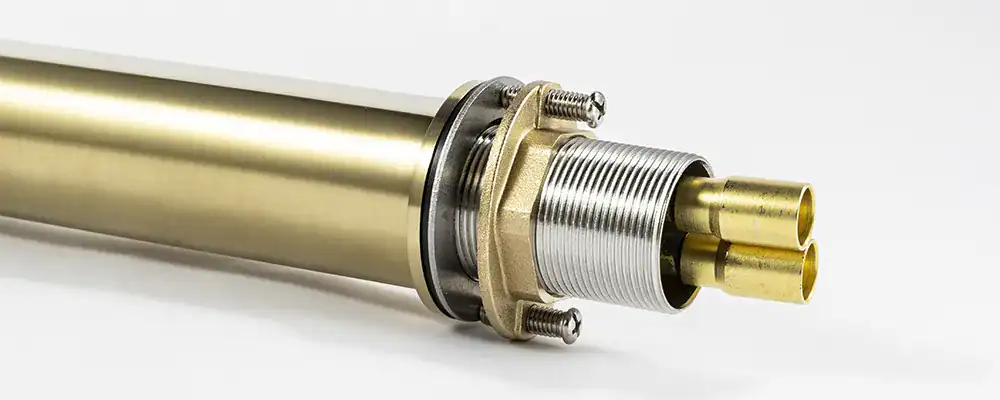
- Hidden Waterways (Red Copper): We use seamless pure copper pipes to help stop internal leaks in tall basin mixers.
Table of Contents
- Executive Summary: Brass Sourcing at a Glance
- Standard Machining: 59 Brass (CW617N / C36000)
- The Price Trap: HPb57-3 (57 Brass)
- Bending & Spouts: H62/H65 Brass (C26000)
- The Health Mandate: Low-Lead Brass (North America)
- The Hard-Water Mandate: DZR Brass (CZ122 / CW602N)
- The Hidden Waterway: Pure Copper Tubes
- Brass Grade Selection Matrix
- How Bad Brass Ruins Your PVD Finishes
- Trust But Verify: In-House EDXRF Testing
- Frequently Asked Questions: Sourcing Brass Faucets
- Secure Your Project With the Right Brass
Standard Machining: 59 Brass (CW617N / C36000)
Decoding the Chinese Quotation
When sourcing from China, factory quotes often list “HPb59-1” or simply “59 brass.” In this local standard, “H” stands for brass (in Chinese pinyin), “Pb” indicates trace lead for machine cutting, and “59” means about 59% copper content. It is the most common raw material for heavy faucet bodies.
The Global Equivalents
You do not need to guess the material grade. For European projects, HPb59-1 closely aligns with standard CW617N forging brass. For North American buyers, it behaves similarly to C36000 (free-cutting brass) in terms of machinability.
The Engineering Value
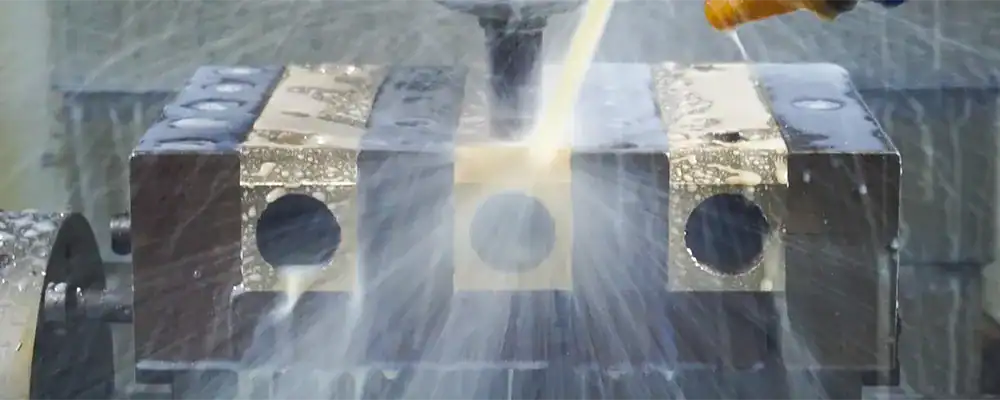
Why use this specific mix? It provides a stable balance. The metal is hard enough to hold precise CNC threads, but easy enough to cut cleanly without dulling the tools. Clean, accurate threads help lower the risk of assembly leaks under the sink or behind the wall.
The Price Trap: HPb57-3 (57 Brass)
The Secret Behind Cheap Quotes
When you receive a suspiciously low quote, the supplier might be using HPb57-3 (often just called 57 brass). In this grade, copper drops to around 57%, and lead (Pb) can go up to 3% to make cheap machining easier. To cut costs further, some factories mix in recycled scrap metal.
The Physical Risks
Less copper makes the metal hard but very brittle. It cracks more easily under high water pressure. Because of the impurities, HPb57-3 carries a much higher risk of hidden sand holes. These holes trap acid and cause PVD finishes to blister and peel.
Where NOT to Use It
While HPb57-3 might work for simple, non-pressure parts, using it for a main faucet body is risky. We avoid using 57 brass for main pressure bodies. Sticking to HPb59-1 or higher helps lower the risk of customer returns and protects your project’s reputation.
Bending & Spouts: H62/H65 Brass (C26000)
Why Drop the “Pb” (Lead) Prefix?
Notice we use H62 or H65 instead of “HPb”. In Chinese standards, dropping the “Pb” means the metal is not mixed with lead for fast CNC cutting. Lead makes brass easy to machine, but it makes the metal brittle. For bending metal into shapes, you need a softer, ductile base.
The Global Equivalents
H62 and H65 contain 62% to 65% copper. For North American buyers, this roughly aligns with C26000 (Cartridge Brass) or C27000. These high-copper alloys are standard for cold-forming and deep drawing processes.
The Engineering Value: Stopping Micro-Cracks
We use H62/H65 mainly for thin tubular parts, like high-arc kitchen spouts. If a factory tries to bend cheaper 59 brass, it creates hidden micro-cracks at the curve. These cracks trap acid during plating, causing the finish to peel later, or they burst under high water pressure. Using high-copper brass helps prevent these structural failures.
The Health Mandate: Low-Lead Brass (North America)
The < 0.25% Legal Limit
Standard brass contains 2% to 3% lead to make CNC cutting fast and easy. However, lead leaches into drinking water. For the US and Canada, inspectors require a weighted average lead content below 0.25%. Using standard brass for North American orders leads to blocked shipments at customs and failed building inspections.
Why Low-Lead Brass Costs More
Buyers often ask why low-lead products carry a higher price. Removing lead makes the raw metal much harder. This hard material wears down our CNC cutting tools faster and slows down the factory production lines. The higher cost comes from tool wear and slower machining, not just the raw material.
Supporting Your Compliance
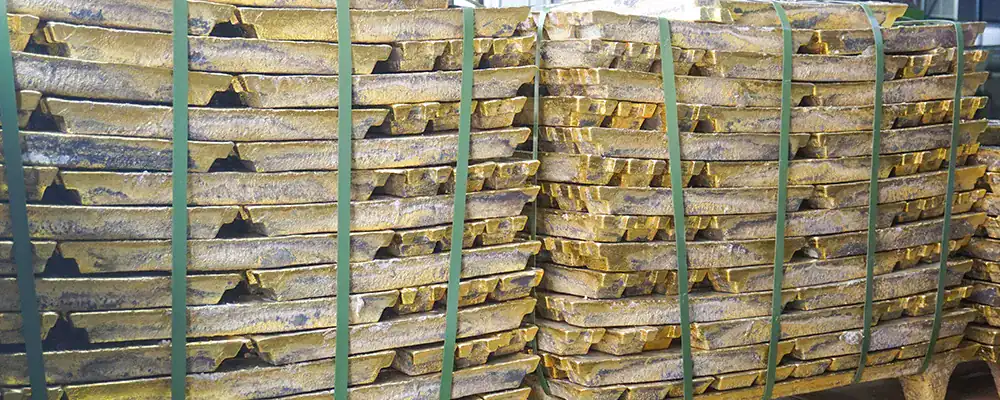
To help protect your business, we strictly use traceable low-lead brass billets for the North American market. This material selection helps your plumbing fixtures pass California AB1953 and NSF/ANSI 61 safety checks, supporting your overall global building code compliance.
The Hard-Water Mandate: DZR Brass (CZ122 / CW602N)
The “Sponge” Problem (Dezincification)
In areas with hard water or high chloride levels, the water chemically attacks standard brass, causing dezincification. It pulls the zinc out of the metal alloy. This leaves behind a weak, porous copper shell that looks like a sponge. Under high water pressure, this brittle shell cracks, causing severe behind-wall leaks.
The DZR Solution & Material Codes
Dezincification-Resistant (DZR) brass goes through a special heat treatment to help resist this chemical attack. When sourcing for the UK, Australia, or Europe, check your blueprints for the CZ122 or CW602N material codes. Using these specific grades helps lower the risk of expensive plumber call-outs in hard-water markets.
Where You Must Use It
You do not need DZR brass for every exposed part. However, it is strictly required for in-wall concealed shower valves across the UK and Europe, and for all Australian WaterMark projects. If a hidden valve breaks behind the tiles, it ruins the bathroom.
For Australia (WaterMark 2026), standard DZR is no longer enough. You must specify Low-Lead DZR to pass the new < 0.25% lead laws while surviving hard water. Specifying the exact grade helps protect your project margins and helps avoid customs rejections.
The Hidden Waterway: Pure Copper Tubes
The Silent Leak in Tall Faucets
Tall basin mixers (vessel faucets) need a long internal pipe to connect the valve to the water hoses. To save money, some factories use joined brass extensions or cheap alloys. Under high water pressure, these weak joints often crack. Because the leak happens inside the metal shell, water drips straight down and ruins the wooden vanity cabinet before anyone notices.
The Red Copper Fix
We use one-piece pure copper tubing (Red Copper) for these hidden waterways. Pure copper is highly ductile and handles water pressure spikes much better than mixed alloys. Using a single solid copper tube helps secure the water path and lowers the risk of expensive under-sink property damage.
Brass Grade Selection Matrix
Stop guessing on material specs. Here is a quick reference guide to help you balance costs and compliance risks for your next bulk order.
| Brass Grade & Composition | Relative Cost | Key Risk / Benefit | Ideal Project Application |
|---|---|---|---|
| HPb57-3 (57 Brass)[Cu: ~57%, Pb: 1.5-3.0%] | Lowest | High Risk: Brittle. Hidden sand holes often trap acid, causing PVD peeling. | Not recommended for main pressure bodies. |
| CW617N / C36000 (59 Brass)[Cu: ~59%, Pb: ~2.0%] | Baseline | Benefit: Stable CNC machining. Clean threads help lower assembly leak risks. | Standard global projects (Non-US, Non-hard water). |
| H62 / H65 Brass (C26000)[Cu: 62-65%, Pb: < 0.1%] | Moderate | Benefit: Higher copper content. Helps prevent micro-cracks when bending metal into curved shapes. | Thin tubular parts and high-arc kitchen spouts. |
| Low-Lead Brass[Cu: ~59%, Pb: < 0.25%] | Higher | Benefit: Helps your shipments pass strict lead-content customs audits. | North America (AB1953, NSF/ANSI 61 compliant). |
| DZR Brass (CZ122 / CW602N)[Cu: ~62%, As: Added to resist zinc loss] | Premium | Benefit: Heat-treated to help fight internal corrosion in harsh water. | UK, Australia (WaterMark), and hard-water regions. |
| Pure Copper (Seamless Tubes)[Cu: ≥ 99.9%, Pb: 0%] | Highest | Benefit: Highly ductile. Helps absorb water pressure spikes to resist internal cracking. | Hidden internal waterways for tall basin mixers. |
How Bad Brass Ruins Your PVD Finishes
The Hidden “Sand Hole” Problem
Low-grade cast brass often contains microscopic air pockets, commonly known in the industry as “sand holes.” Before a faucet gets its PVD or electroplated colour, it goes through an acid wash. These tiny hidden voids trap the liquid chemicals inside the metal body.
The Delayed Peeling Disaster
The real danger is that these taps pass the initial factory inspection. Months later, after they are installed in a hotel, the trapped acid reacts and pushes outward. This causes the expensive PVD or Matte Black finish to blister and peel. For importers, this leads to costly, delayed RMA claims and angry contractors.
Building a Stable Foundation
A durable finish requires a solid metal base. We use high-purity brass billets and controlled casting to help reduce internal air voids. A dense, smooth substrate helps commercial PVD and electroplated finishes bond tightly to the brass, lowering the risk of surface blistering over time.

Trust But Verify: In-House EDXRF Testing
The Problem with Paper Certificates
Many buyers pay a premium for Low-Lead or DZR brass but receive standard metal. Paper material certificates from raw material suppliers are not always accurate. Relying only on paperwork puts your project compliance at risk.
Testing Before CNC Machining
We do not just trust the paper. Before any CNC cutting starts, we test the raw brass billets using an in-house EDXRF spectrometer. This machine reads the exact chemical mix of the metal to verify the copper, zinc, and lead levels.
Protecting Your Bulk Order
Checking the raw material first helps verify that your bulk order matches the exact grade you paid for. This extra step helps lower the risk of failing customs checks and helps protect your local building approvals.
Frequently Asked Questions: Sourcing Brass Faucets
Secure Your Project With the Right Brass
A low unit price means nothing if the taps peel, leak, or fail customs checks. From HPb57-3 causing PVD blistering to standard brass failing AB1953 audits, the wrong substrate costs you time and money. Selecting the correct brass helps protect your brand reputation and project margins.
At LuxuryHome, we match the raw material to your specific market rules. By verifying brass billets with EDXRF testing before CNC machining, we help lower the risk of supply chain surprises.